
Last updated November 23, 2026
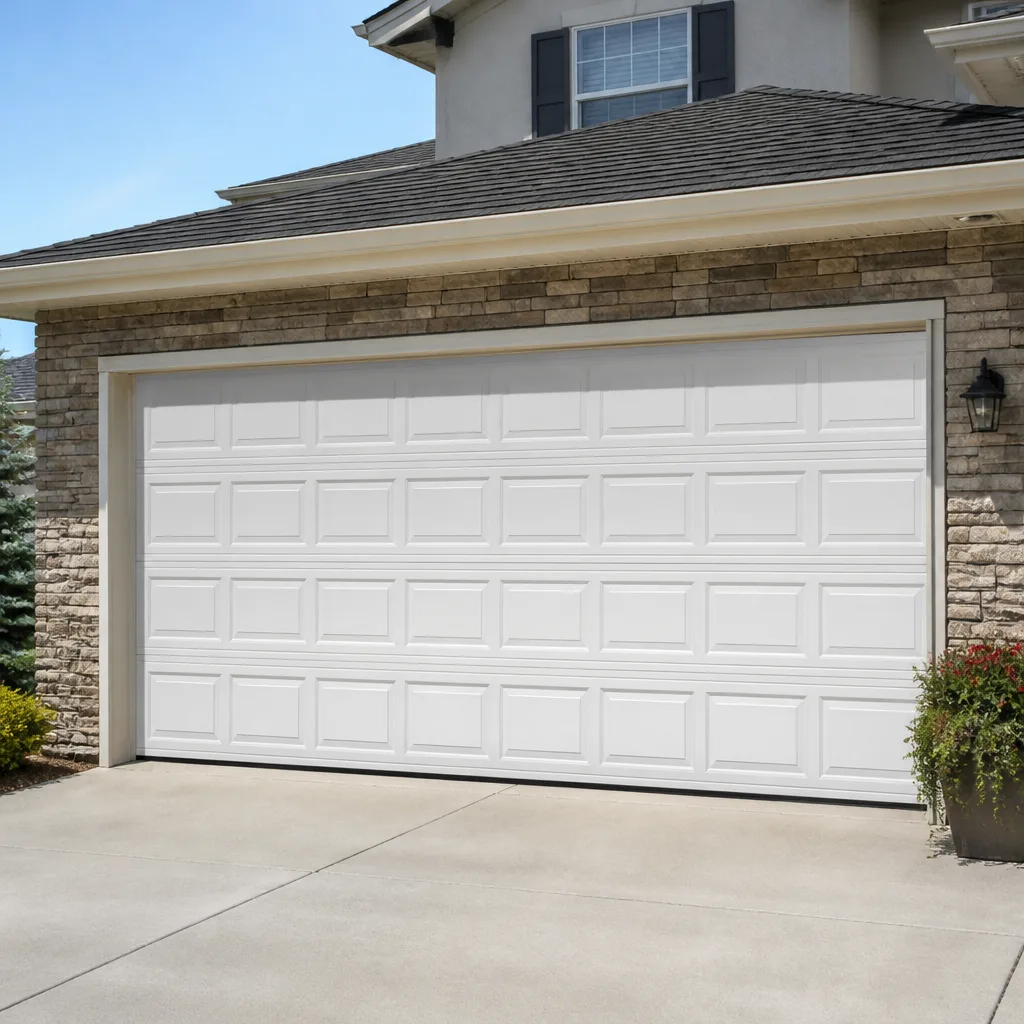 Raised-panel steel
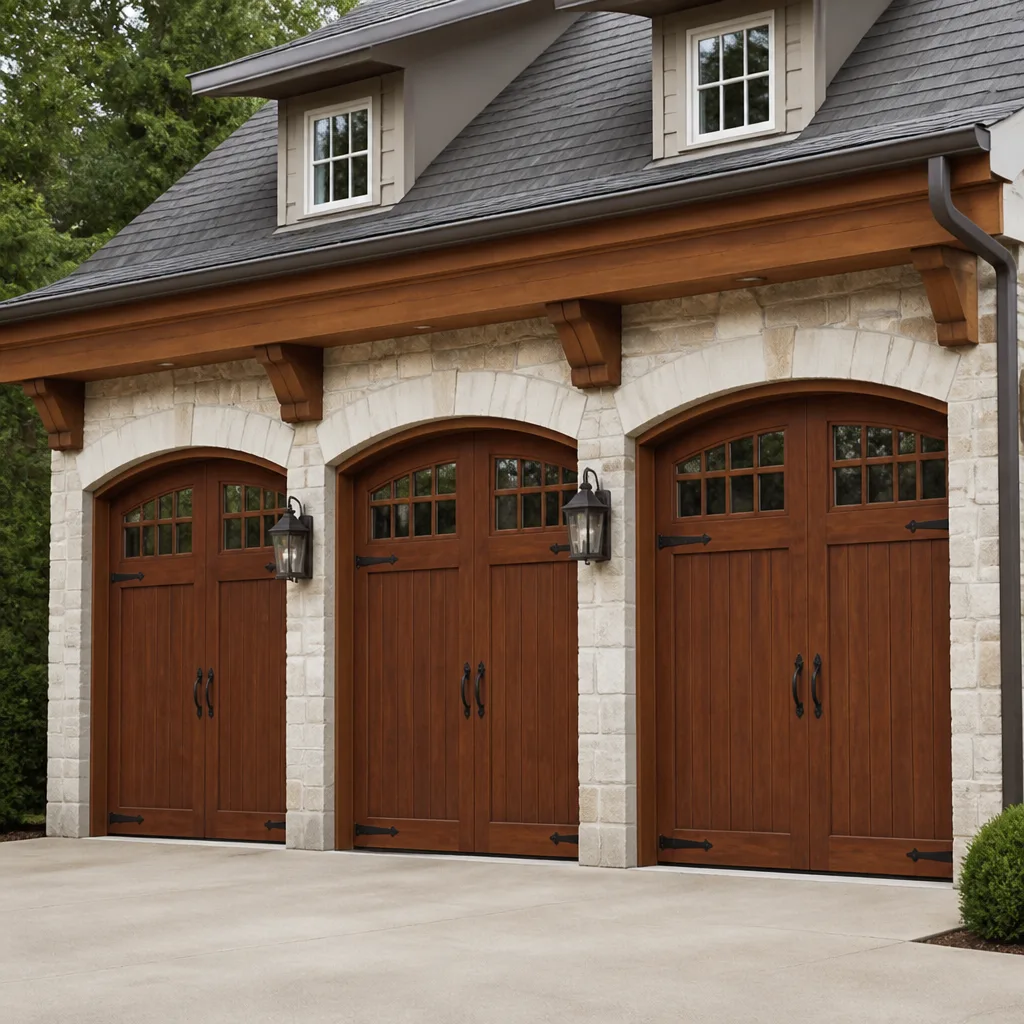 Carriage house
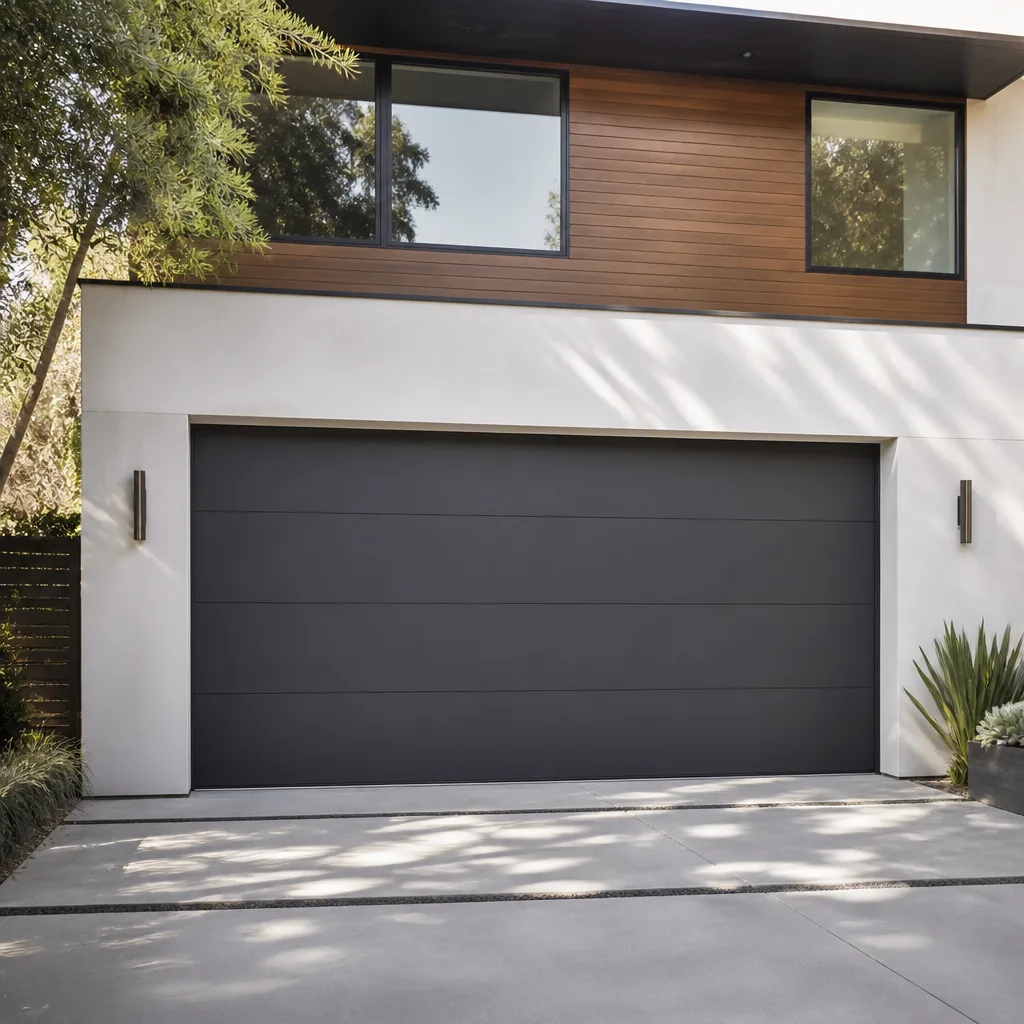 Modern flush
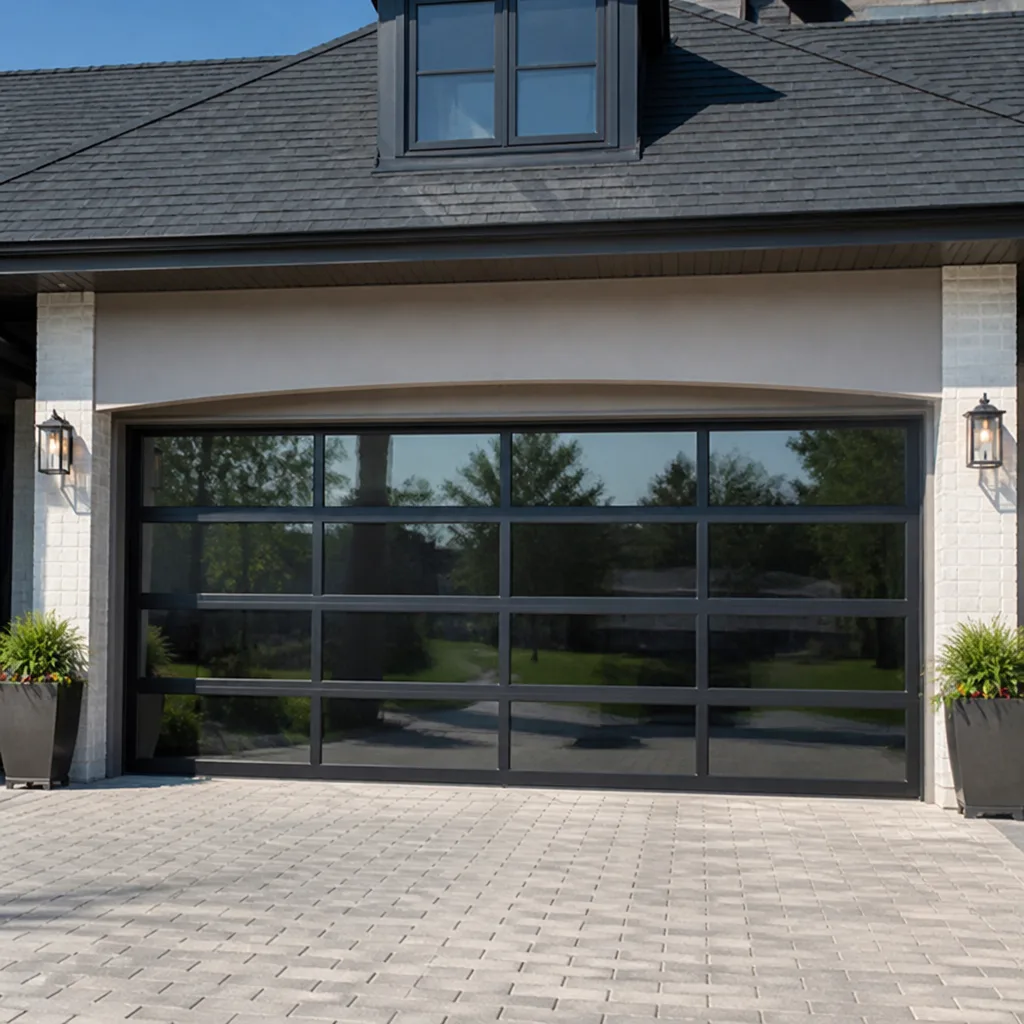 Full-view glass
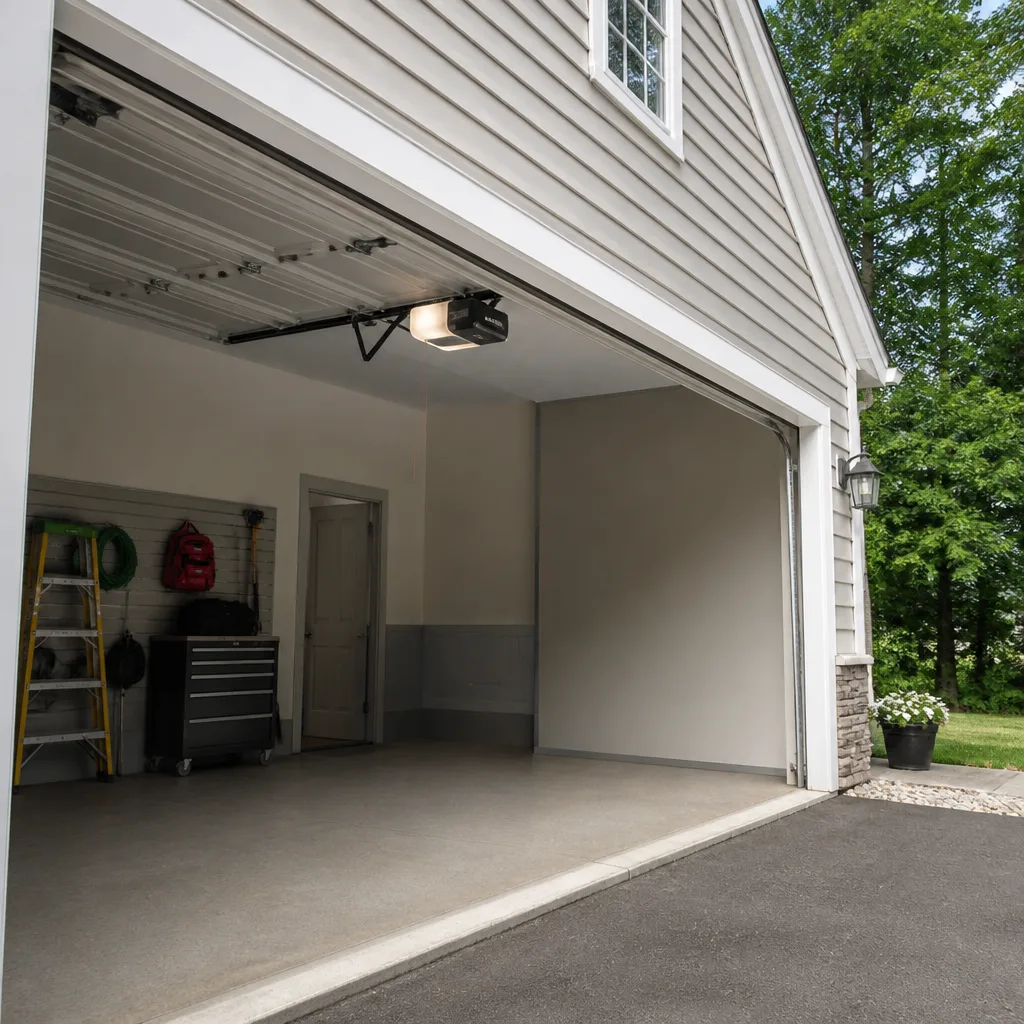 LiftMaster openers
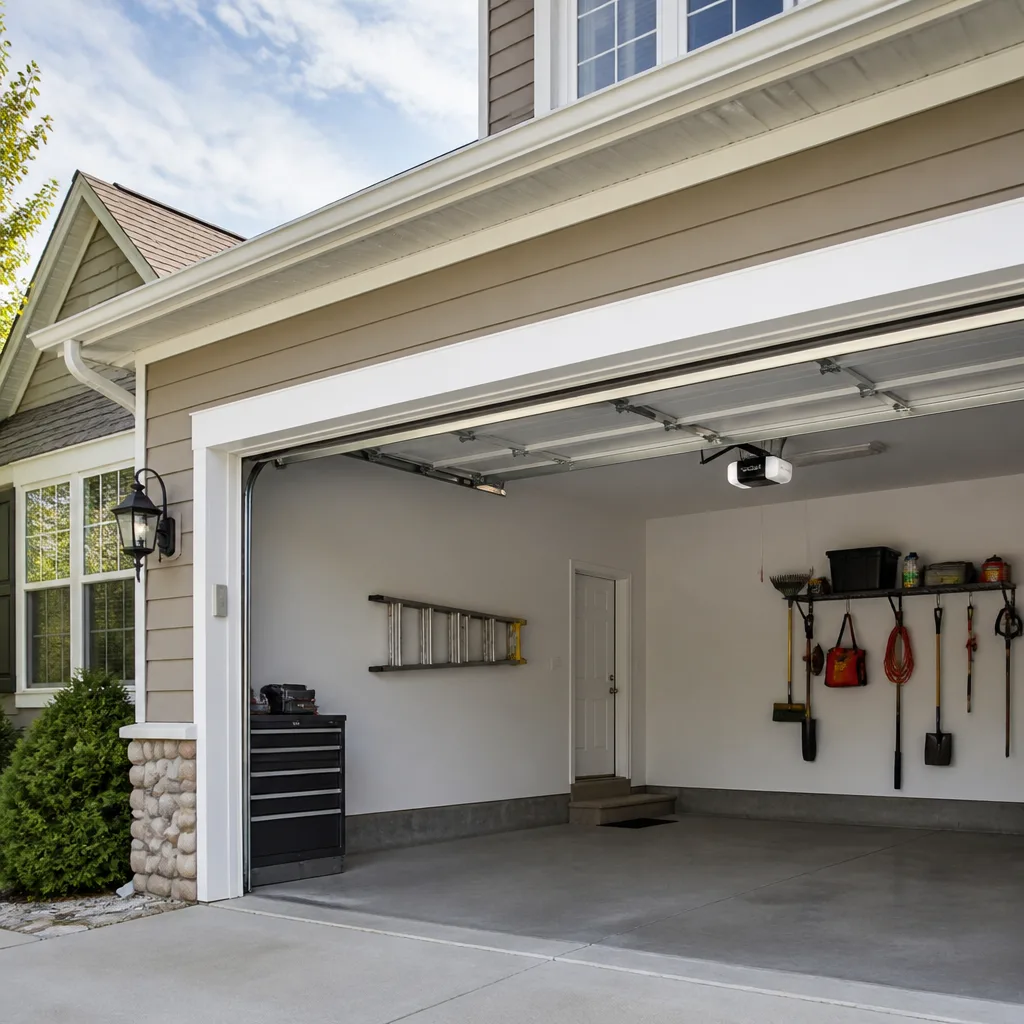 Chamberlain openers
Full 25-point door and opener safety check with every visit - springs, cables, rollers, tracks, and your LiftMaster or Chamberlain opener included
You get a price before we start. It does not change when the pro arrives.
Get your free estimateSeasonal Garage Door Care for Roseville: Year-Round Homeowner’s Guide
Most garage door failures in Roseville don’t come out of nowhere. They’re the last link in a chain that started a season earlier: a spring that worked a little harder through a cold snap, a seal that cracked in the dry air, a track that shifted a few millimeters when the ground moved. The number-one cause of emergency garage door calls here isn’t random breakdown. It’s a component that was already stressed by the previous season and finally gave out when the temperature swung 60 degrees. This guide maps specific care tasks to specific months, so you head off that breakdown instead of paying for it in February. You’ll get a month-by-month calendar you can actually follow.
Quick Answer
Seasonal garage door care in Roseville follows a four-season pattern: prep the weatherstripping, lubrication, and safety sensors in September and October before the first freeze; check for frozen-to-the-ground doors and cold-stiffened springs through winter; inspect springs, cables, and tracks for freeze-thaw stress in March and April; and watch for heat expansion in metal panels and direct sun on dark doors in summer. Handle the cleaning, lubrication, and visual checks yourself and leave springs, cables, and opener adjustments to a trained technician. A simple twice-a-year routine, timed to the seasons, prevents most of the emergency calls we see in Roseville.
Styles & brands we work with
- Raised-panel steel
- Carriage house
- Modern flush
- Full-view glass
- LiftMaster openers
- Chamberlain openers
Table of Contents
- How Roseville’s Four Seasons Wear on a Garage Door
- Fall Prep (September-October): The Sequence That Matters
- Winter Failure Patterns: Why Doors Freeze and What Not to Do
- Spring Recovery (March-April): Freeze-Thaw Stress
- Summer: Heat Expansion and Direct Sun
- The Month-by-Month Care Calendar
- Parts You Can Check Yourself vs. Parts You Shouldn’t
- When to Call a Professional
How Roseville’s Four Seasons Wear on a Garage Door
A garage door in Roseville faces a wider temperature range across a year than its materials were designed to shrug off without maintenance. That’s the core reason local doors age differently from doors in milder climates. The metal expands and contracts, the seals dry out in one season and take on water in the next, and the ground underneath the slab shifts as it freezes and thaws. Each of those forces points at a different component, which is why a single “check the door once a year” habit isn’t enough here.
Here’s how the four seasons break down and what each one stresses most:
- Fall: Weatherstripping, the bottom seal, and the safety sensors. This is your prep window, before temperatures drop and the rubber gets stiff.
- Winter: Springs, the bottom seal (freezing to the ground), and the opener’s ability to lift a cold, heavy door.
- Spring: Springs, cables, and tracks, all testing what winter’s freeze-thaw cycles left behind.
- Summer: Metal panels in direct sun, heat expansion, and opener performance when the door frame shifts in the heat.
We’ve seen the pattern repeat across the communities we serve: a door that got no fall attention shows up as a spring or cable problem in late winter or early spring. The fix at that point is a repair. The fix six months earlier is usually a cleaning, a lubrication, and a seal.
Fall Prep (September-October): The Sequence That Matters
Fall prep works best in a specific order, because each step depends on the one before it. Do it in the wrong sequence and you’ll be re-lubricating a seal you’re about to replace, or trying to align sensors on a door that’s still sitting crooked. September and October are the right window in Roseville, while the weatherstripping is still soft and flexible enough to work with.
- Clean the tracks and the door panels first. Wipe down the vertical and horizontal tracks with a damp cloth, then clear out grit and debris. A dirty track wears the rollers and throws off alignment.
- Inspect and replace the weatherstripping and bottom seal. Look for cracks, flattening, and gaps. A bottom seal that’s lost its shape won’t keep out cold air, water, or pests, and a stiff, cracked seal can freeze to the floor when winter arrives.
- Lubricate the moving metal parts. Apply a garage-door lubricant to the rollers, hinges, and the torsion spring (a light wipe, not a heavy coat). Skip the tracks, which should stay dry and clean so the rollers can roll instead of slide.
- Test the safety sensors and the auto-reverse. Check that both sensors are aligned and their lenses are clean, then test the door’s reversing function. A door that won’t reverse is a genuine hazard and needs attention before winter.
- Check the balance by hand. Disconnect the opener and lift the door halfway. If it won’t hold its position, the springs are out of balance and a professional should look at them.
If your door is older and the panels or seals are past saving, fall is also the natural time to price a replacement. Our garage door installation service covers the full measure, order, and fitting process, and scheduling it before winter avoids fighting a failing door through the coldest months. Either way, get the fall work done before the first hard freeze, not after.
Winter Failure Patterns: Why Doors Freeze and What Not to Do
The most common winter failure in Roseville is a door that freezes to the ground, but the way you respond to it decides whether it’s a small nuisance or a costly repair. When the bottom seal or the slab picks up moisture and the temperature drops, the two bond. The door simply won’t lift. The second common failure is a spring that was already stressed and stiffens further in the cold, leaving the opener working much harder than it should.
When a door is frozen shut, here’s what not to do:
- Don’t force the opener. Running the motor against a door that can’t move strips gears, burns out the opener, and can snap a weakened spring or cable.
- Don’t pour hot water on the seal or the floor. It refreezes quickly and adds more moisture to the bond you’re trying to break.
- Don’t pry at the door with a tool or a shovel. You’ll bend panels, twist tracks, and risk injury if the door releases suddenly.
What you can do safely is disconnect the opener and gently work a soft tool around the bottom edge to free the seal, or let the door thaw on its own. If it still won’t lift or the opener is straining, that’s a call, not a workaround. Our garage door repair service handles frozen doors and cold-stressed openers throughout the winter, and we answer 24/7 for the calls that can’t wait until morning.
Spring Recovery (March-April): Freeze-Thaw Stress
March and April in Roseville surface the damage winter left behind, and the freeze-thaw cycle is the reason. Ground that heaves and settles shifts the door frame and the tracks, while a season of cold, stiff operation stresses the springs and cables. This is when a door that seemed fine in January starts to sound wrong, run unevenly, or fail outright.
After the last freeze, inspect these three areas in order:
- Springs. Look at the torsion spring above the door (or the extension springs on either side of an older door) for gaps, stretches, or a visible break. A broken spring makes the door nearly impossible to lift by hand. Never try to adjust or replace one yourself; they’re under extreme tension.
- Cables. Check that the cables are taut and seated correctly in their drums. A frayed or loose cable is a serious safety concern, because the door can drop if a cable fails under load.
- Tracks and alignment. Look for tracks that are bent, out of plumb, or gapped where they meet. A track pushed out of alignment by moving ground will make the door scrape and bind.
Run the door by hand with the opener disconnected and listen. Grinding, scraping, or an uneven ride points to rollers, tracks, or balance that needs a professional eye. If a spring is the problem, we specialize in both torsion and extension spring repair, and that’s a job to leave to a technician with the right tools.
Summer: Heat Expansion and Direct Sun
Summer doesn’t usually break garage doors in Roseville, but it does reveal the ones that were already marginal. Metal panels expand in the heat, wood-look and steel doors can warp slightly, and the door frame moves a little as the day warms. A door that needs a small adjustment in June might bind in July. The other summer factor is direct sun, especially on a dark-colored door facing west or south.
Here’s how summer heat affects the door:
- Expansion in the metal. Panels, tracks, and hinges all expand as the temperature climbs, which can make a door that was smooth in spring sound slightly louder or ride a touch rougher.
- Direct sun on dark doors. A dark door in full sun gets hot, and that heat can affect opener performance and sensor behavior. Sun-faded or heat-warped seals are also common by late summer.
- Opener strain. As rollers and hinges dry out through summer, the opener works harder. A little lubrication in early summer keeps the mechanism moving smoothly.
A quick summer routine: wipe and lubricate the moving parts, check the safety sensors (sun glare can confuse them at certain times of day), and confirm the door still reverses. If you notice a door that’s suddenly sluggish or a dark panel that’s too hot to touch, those are worth a look before small heat-related issues become fall repairs.
The Month-by-Month Care Calendar
Here’s the calendar version you can stick on the garage wall. It’s built for Roseville’s climate and covers the whole year in short, doable tasks. The heavy lifting happens in fall and spring, with lighter checks in between.
| Month | Task | Difficulty |
|---|---|---|
| January | Check for frozen seals and listen for cold-stiffened movement; test the opener | Easy |
| February | Verify safety sensors and reversing; don’t force a frozen door | Easy |
| March | Inspect springs, cables, and tracks for freeze-thaw damage | Visual only |
| April | Check balance by hand with the opener disconnected; listen for grinding | Visual only |
| May | Lubricate rollers and hinges for the warm season; clean tracks | Easy |
| June | Check heat-related sounds; test sensors in direct sun | Easy |
| July | Inspect seals for sun damage; confirm the door reverses | Easy |
| August | Schedule a professional tune-up if the door sounds rough | Pro |
| September | Start fall prep: clean, replace weatherstripping, lubricate | Easy |
| October | Finish sensor alignment and balance check before the first freeze | Easy/Pro |
| November | Confirm the bottom seal sits flat and warm; check the opener | Easy |
| December | Watch for freeze-to-the-ground; don’t force a stuck door | Easy |
Treat the calendar as a rhythm, not a rigid schedule. A door that gets heavy use, or one that’s near the end of its life, benefits from a professional check once a year on top of these tasks. If a spring, cable, or opener needs repair at any point, our garage door opener repair and repair services cover the full range.
Parts You Can Check Yourself vs. Parts You Shouldn’t
There’s a clear line between what’s safe to handle and what isn’t, and knowing that line is a big part of seasonal care. The good news is that the tasks you can do yourself are the ones that matter most for prevention, and they’re quick. The parts you should leave alone are the ones under tension or connected to the electrical system.
Safe for a homeowner:
- Cleaning tracks and panels
- Lubricating rollers, hinges, and springs (a light wipe)
- Replacing weatherstripping and the bottom seal
- Aligning and cleaning safety sensor lenses
- Testing the auto-reverse and the balance by hand
- Visual inspection of springs, cables, and tracks
Leave these to a trained technician:
- Replacing torsion or extension springs, which are under extreme tension and can cause serious injury
- Adjusting or replacing cables, which carry the door’s weight
- Replacing or rewiring the opener motor or electrical components
- Straightening bent tracks or realigning a door frame
We work on every major brand, including Clopay and Amarr doors, Wayne Dalton and Craftsman openers, so if a self-check turns up something that needs attention, you don’t have to guess who to call. A spring under tension is not a DIY project, and forcing it is one of the most dangerous things you can do around a garage.
Common Mistakes to Avoid
- Skipping fall prep and hoping for the best. The hardest, most expensive failures tend to happen in winter and spring, right after a season of missed fall maintenance. A few tasks in October prevent most of them.
- Forcing a frozen door up with the opener. This strips the opener’s gears, can snap a spring or cable, and risks the door dropping. Disconnect and thaw instead, or call a technician.
- Lubricating the tracks. Tracks should stay clean and dry so the rollers roll. Greasy tracks collect grit and cause the door to slide and bind.
- Ignoring a stiff, cracking bottom seal. A worn seal lets in cold, water, and pests, and freezes more easily. It’s inexpensive to replace and prevents bigger problems.
- Testing balance by hand with the opener still connected. Always disconnect the opener before checking balance, or you can damage the opener or the door.
- Assuming a noisy door is normal. Grinding, scraping, or popping is the door telling you something is out of alignment or wearing out. Silence those sounds with a repair, not a heavier lubricant.
- Trying to adjust springs or cables yourself. These parts hold the full weight of the door under tension. This is exactly the repair to leave to a professional.
See the difference
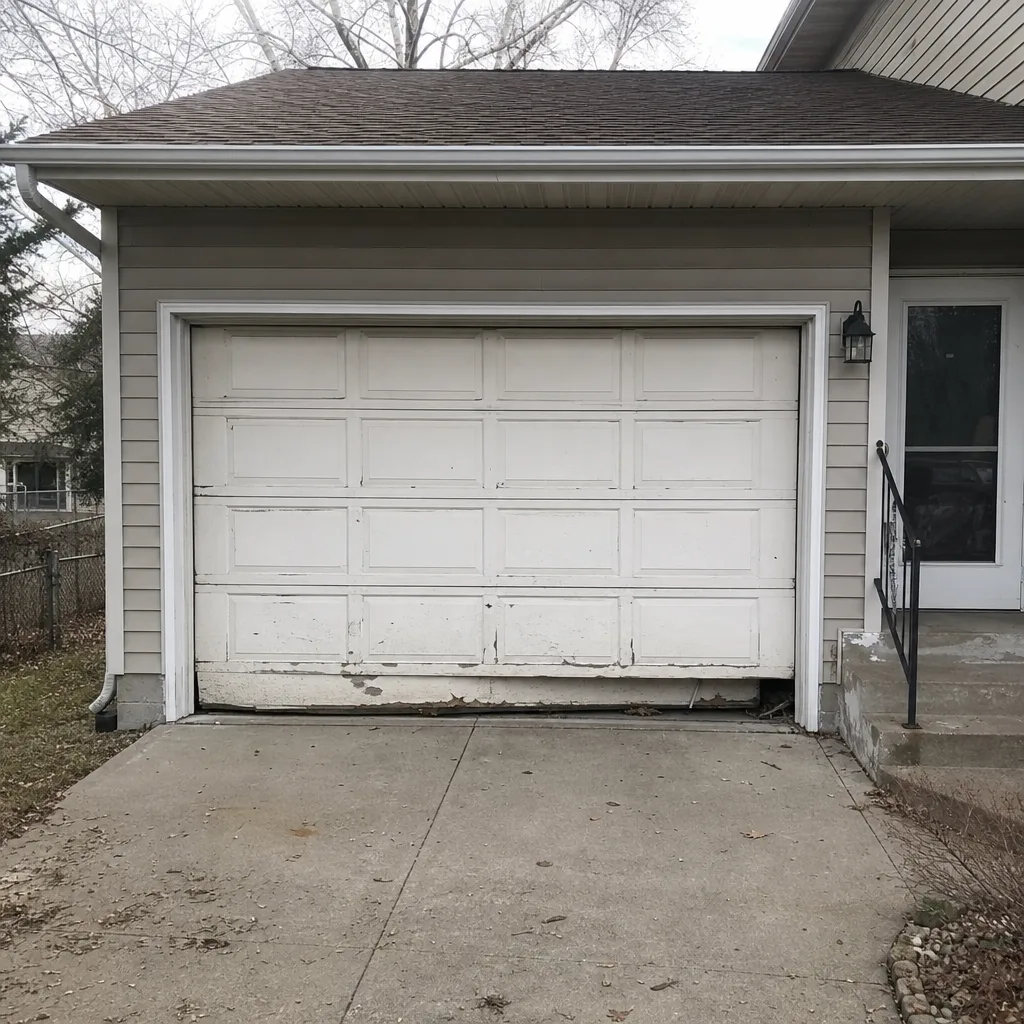 Before
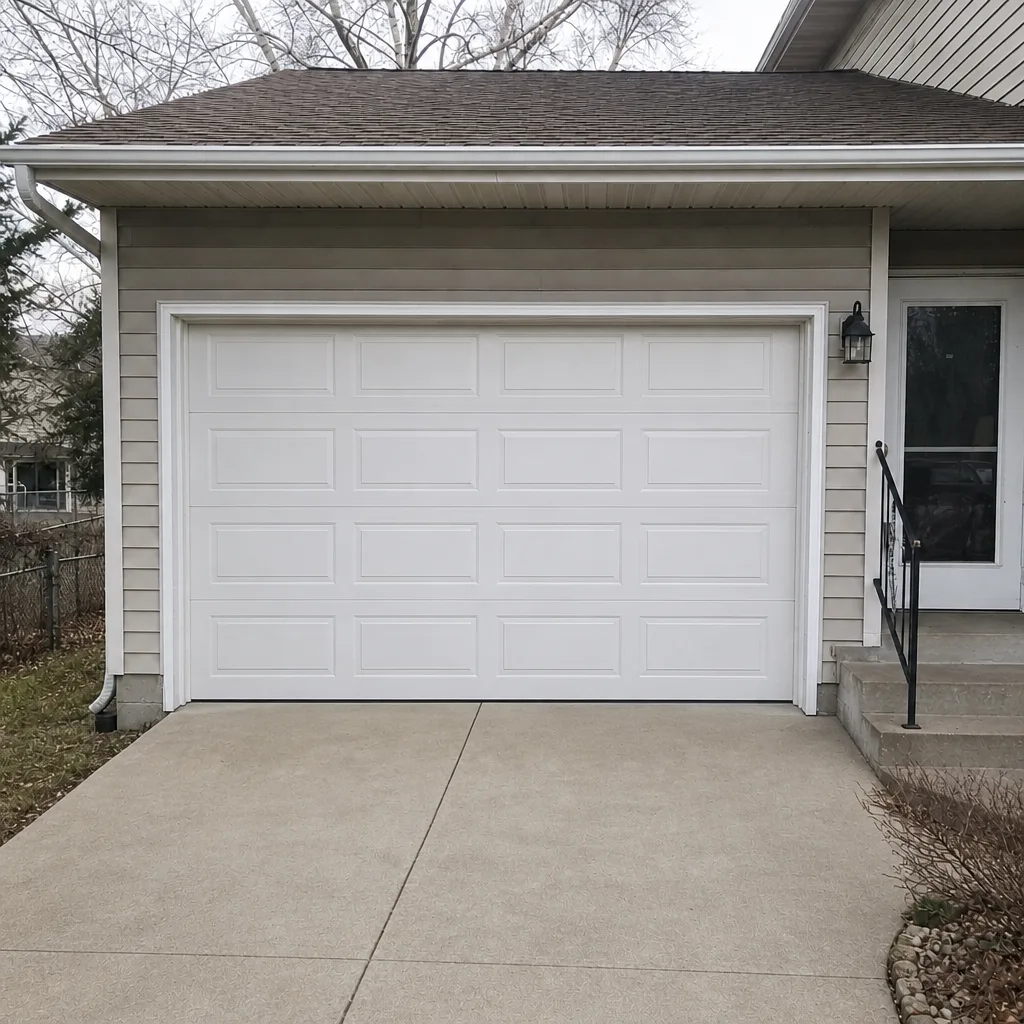 After
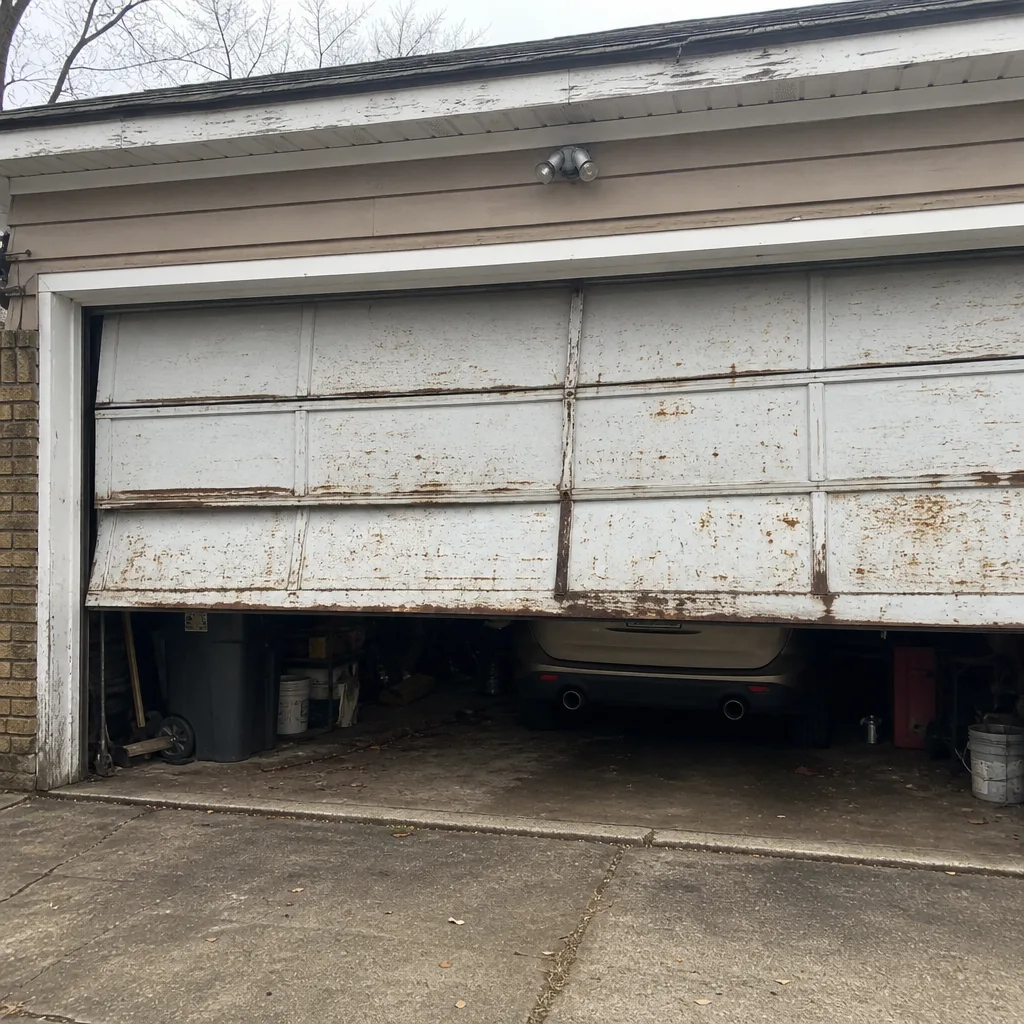 Before
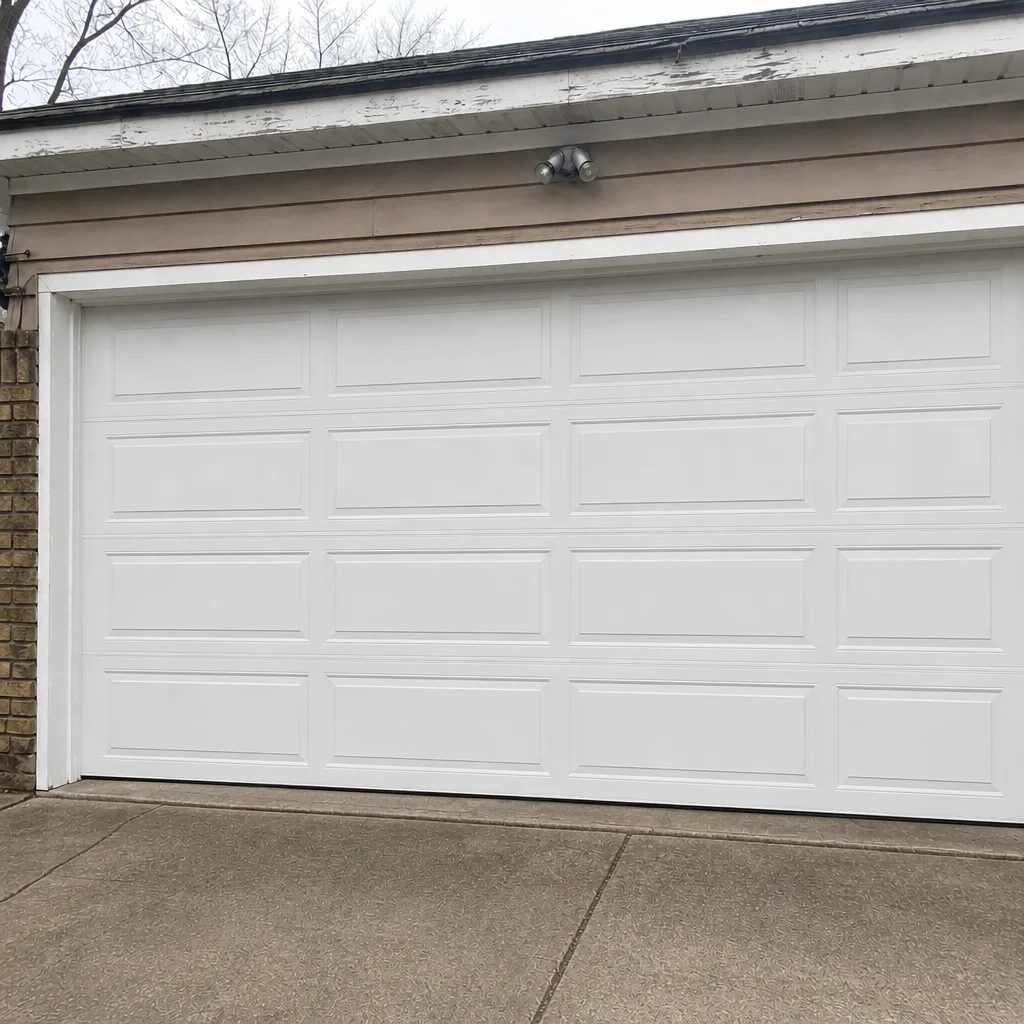 After
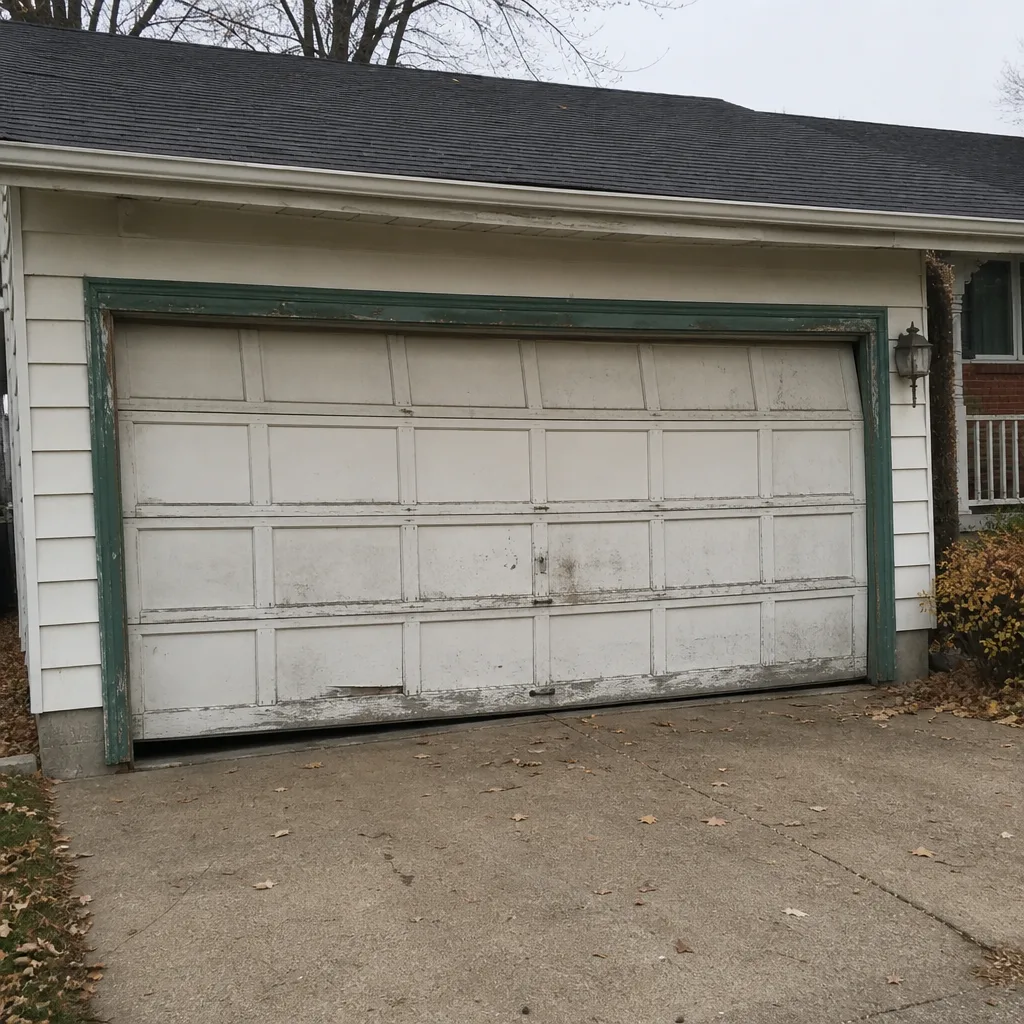 Before
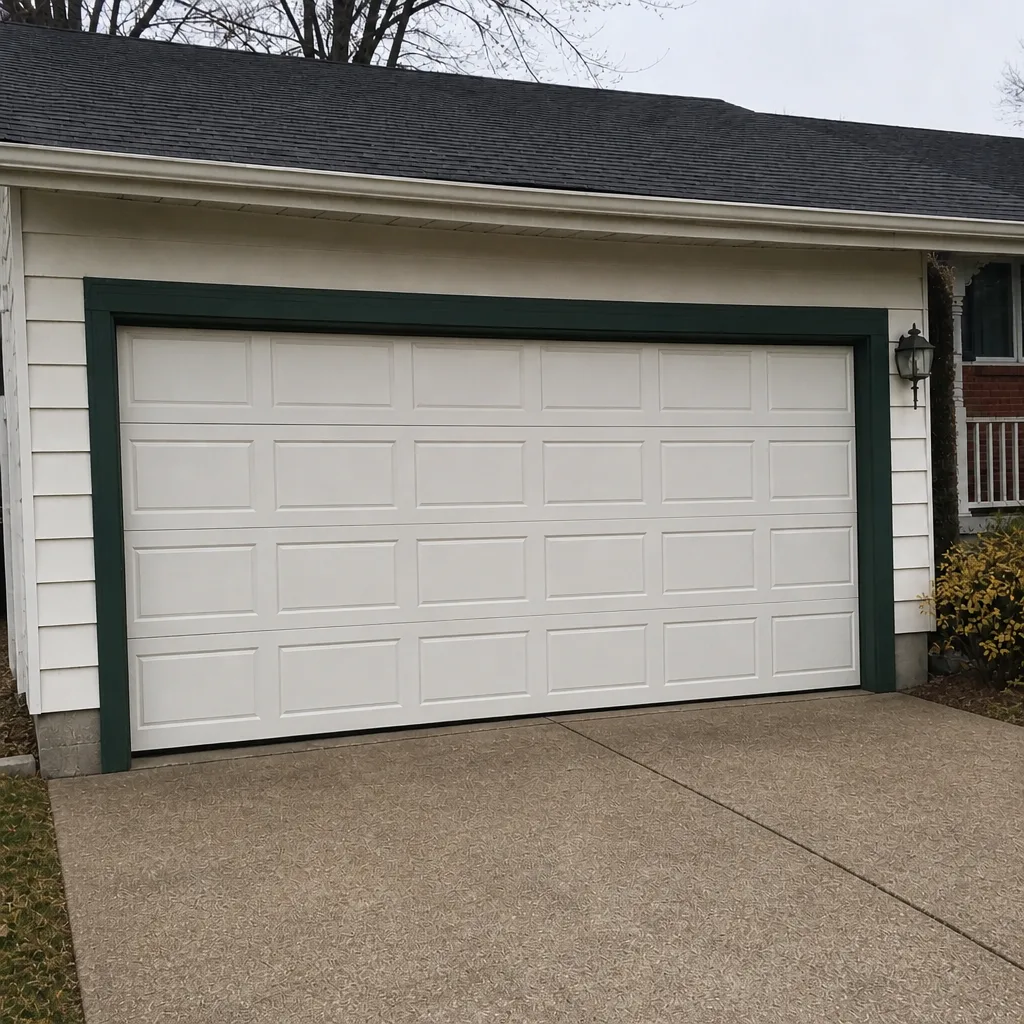 After
When to Call a Professional
Some failures are safe to watch and some aren’t safe to touch. Call a professional if a spring is visibly broken or the door won’t lift by hand; if the door is frozen shut and won’t free with gentle thawing; if a cable is frayed or loose; if the door reverses unevenly or won’t reverse at all; if tracks are bent or the door scrapes along the frame; or if the opener strains, grinds, or stops partway. The same is true for a door that’s near the end of its working life and needs a full replacement. Roseville Garage Door Repair Co offers free estimates in Roseville, so you can find out what’s wrong and what it involves before committing. Call (866) 401-8087. We answer 24/7, with fast dispatch from 7am to 7pm.
Frequently Asked Questions
A garage door in Roseville benefits from seasonal attention twice a year, ideally a fall prep in September or October and a spring inspection in March or April, plus a light summer check. Those two deeper passes catch the wear each season creates. A door with heavy use or a professional tune-up once a year on top is a good routine.
It freezes because moisture between the bottom seal and the slab turns to ice when the temperature drops, bonding the door to the floor. A worn or cracked seal makes this worse. Don’t force the opener; disconnect it, gently free the seal, and consider replacing the seal before the next freeze.
No. Torsion and extension springs are under extreme tension and can cause serious injury if handled without the right tools and training. This is one of the most dangerous parts of a garage door to touch. Leave spring replacement to a technician who specializes in it.
Grinding in spring usually points to freeze-thaw damage: bent or misaligned tracks, worn rollers, or a door that’s no longer balanced after a winter of cold operation. A quick inspection of tracks, rollers, and balance will narrow it down. If it’s a spring or cable issue, call a professional.
It can. Metal panels and tracks expand in the heat, and a dark door in direct sun gets very hot, which can affect the opener and sensor behavior. A little summer lubrication and a sensor check keep the door moving smoothly through the warm months.
First, check whether it’s frozen to the ground or whether the opener is the problem. If the door is stuck and the opener is straining, stop and disconnect the opener rather than forcing it. Then call a professional; this is exactly the kind of emergency a specialist handles.
The Bottom Line
Roseville’s four-season extremes make garage door care a calendar job, not a one-time task. Prep the weatherstripping, lubrication, and sensors in fall; watch for frozen doors and cold-stiffened springs in winter; inspect springs, cables, and tracks for freeze-thaw stress in spring; and keep an eye on heat expansion in summer. Handle the cleaning, lubrication, and visual checks yourself, and leave springs, cables, and opener repairs to a trained technician. A simple twice-a-year routine prevents most of the emergency calls we see. When something needs a specialist, we’re here.
Call (866) 401-8087 for a free estimate. We answer 24/7, and we offer fast dispatch from 7am to 7pm, Sunday through Friday.
Whether you’re scheduling a pre-winter tune-up or trying to decide if it’s time for a new door, Roseville Garage Door Repair Co connects you with a local professional who specializes in garage doors, nothing else. One call covers repair, spring work, opener service, and installation, so you don’t have to juggle vendors. Call (866) 401-8087 and we’ll help you get it sorted.
Written by the team at Roseville Garage Door Repair Co.