
Last updated November 23, 2026
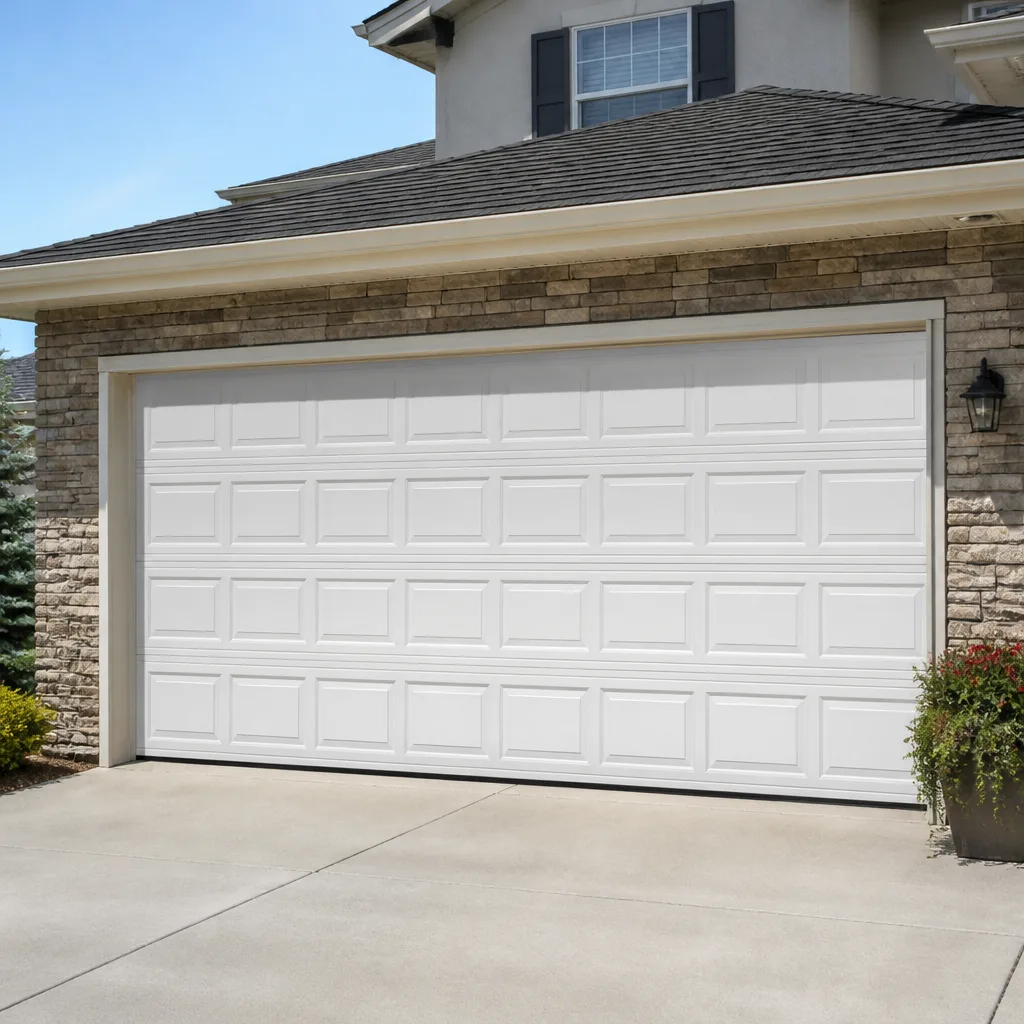 Raised-panel steel
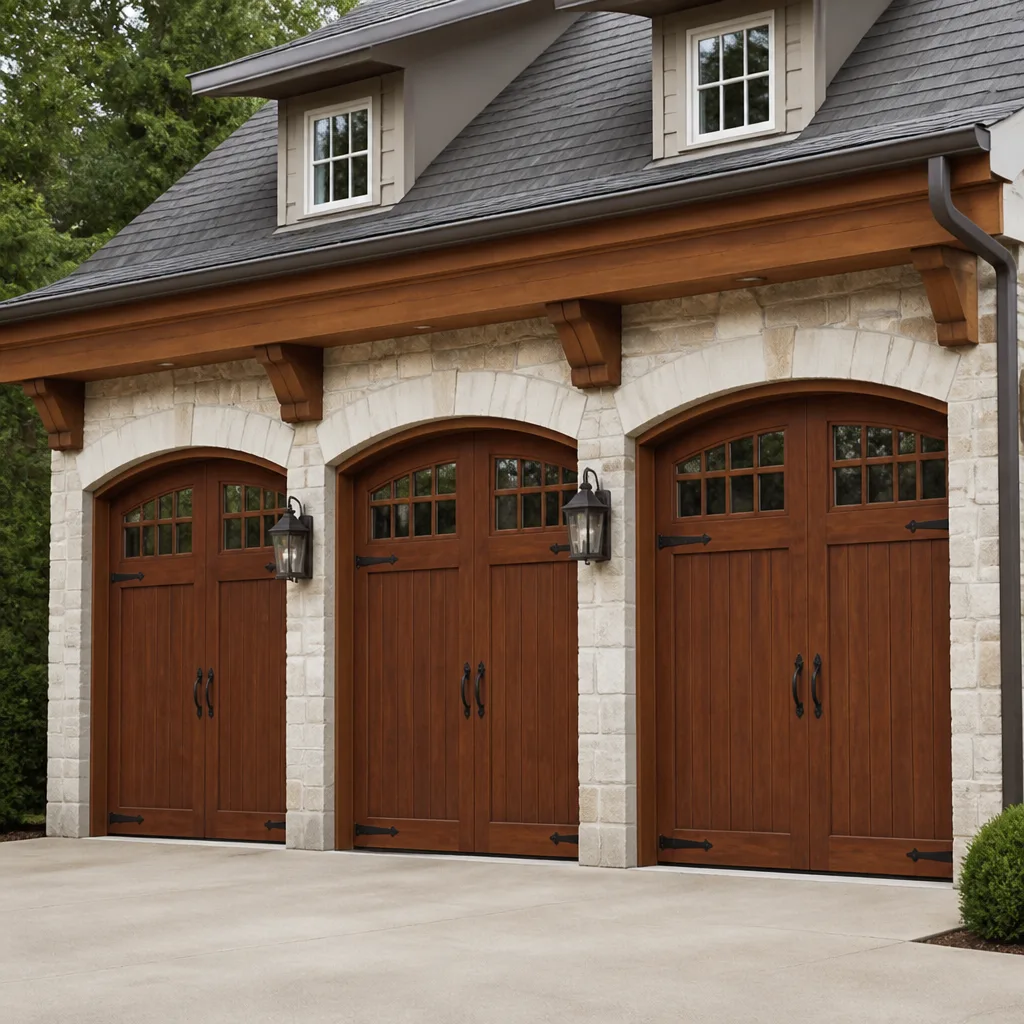 Carriage house
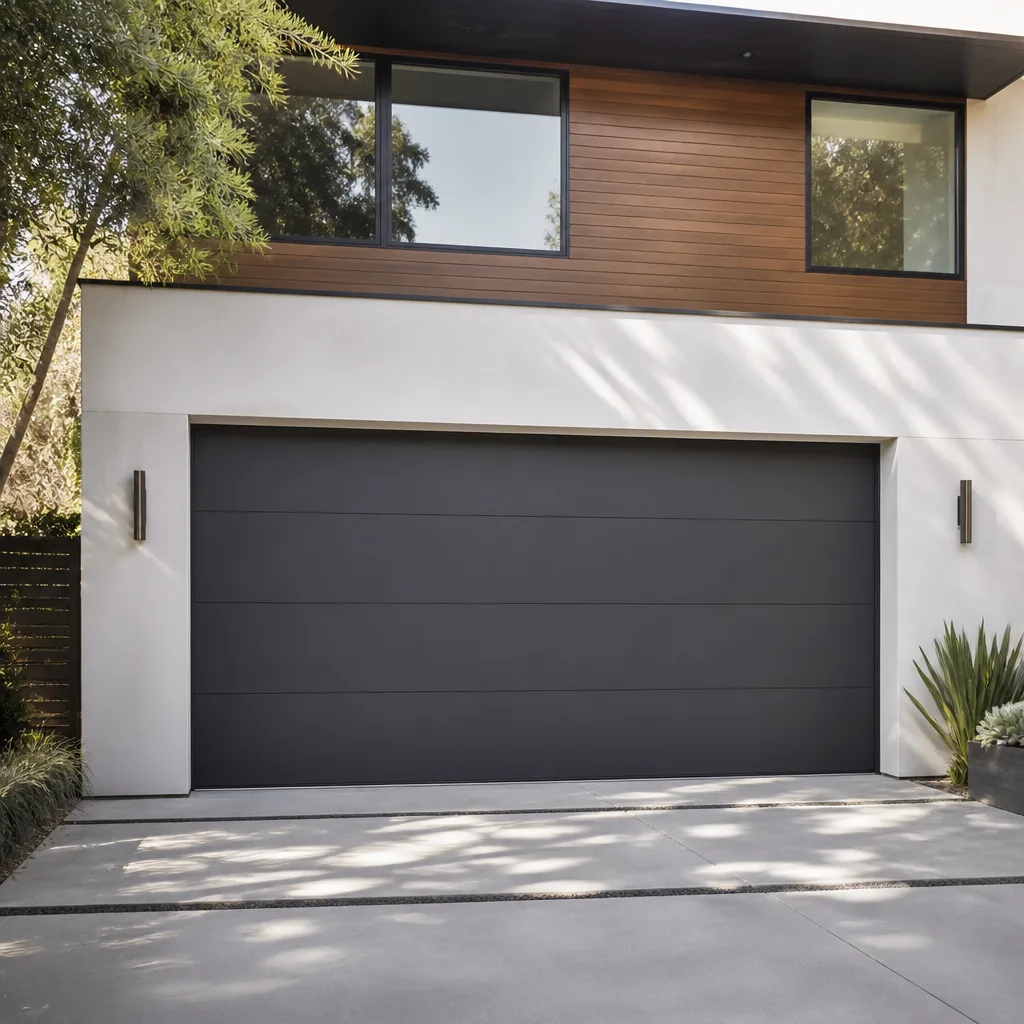 Modern flush
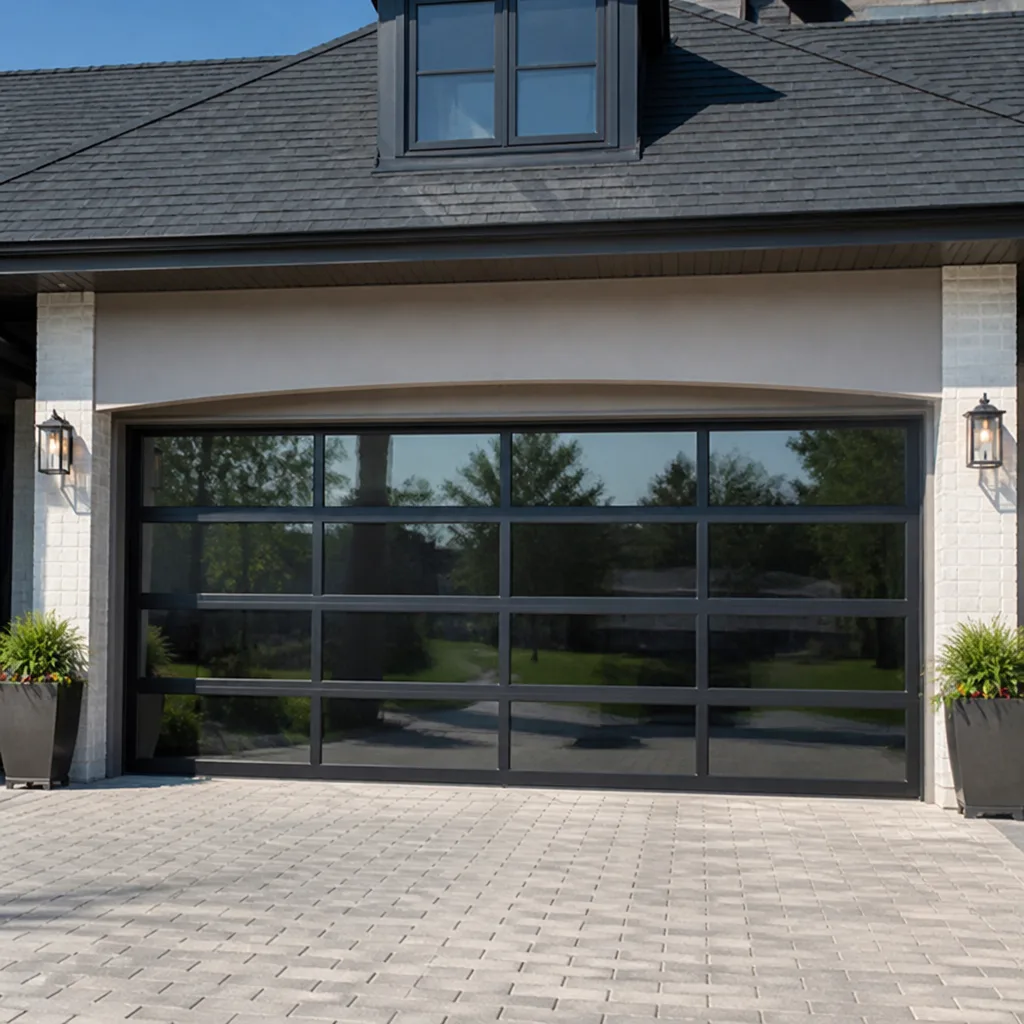 Full-view glass
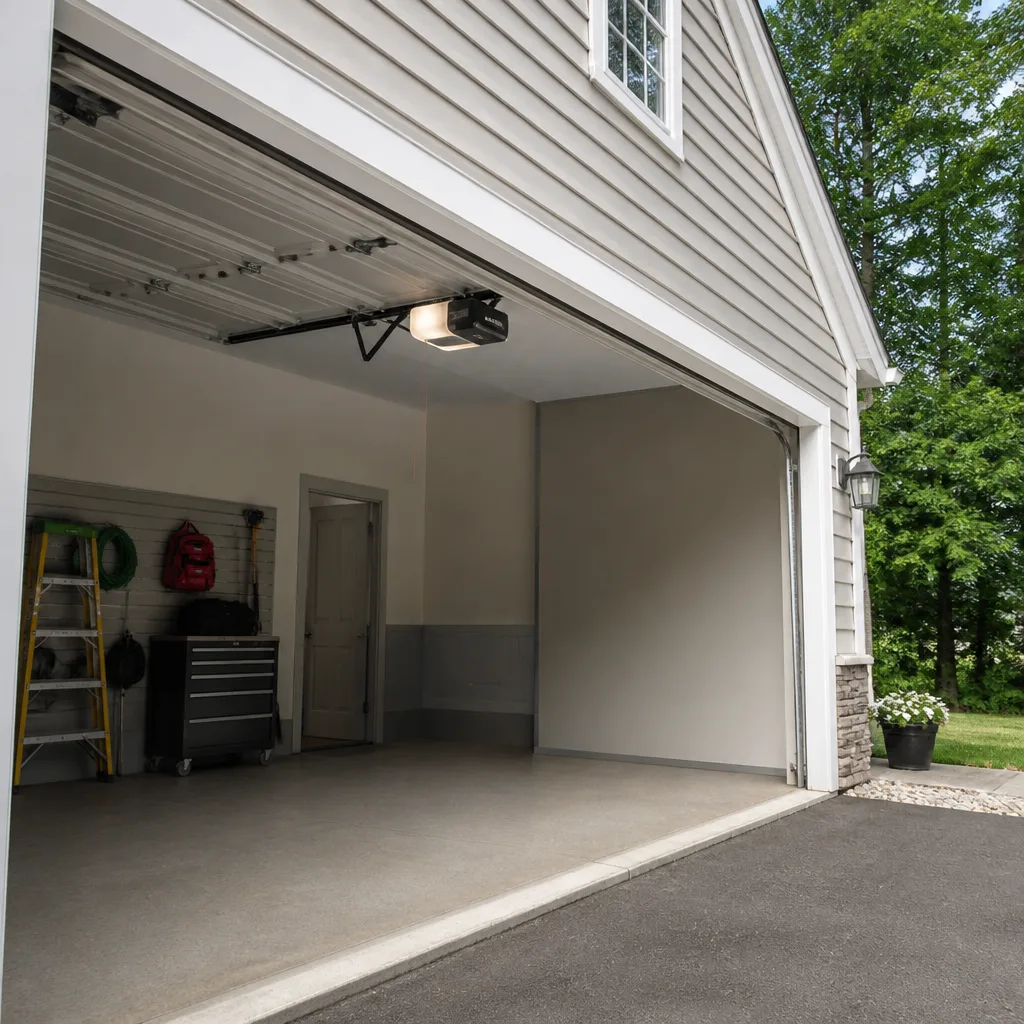 LiftMaster openers
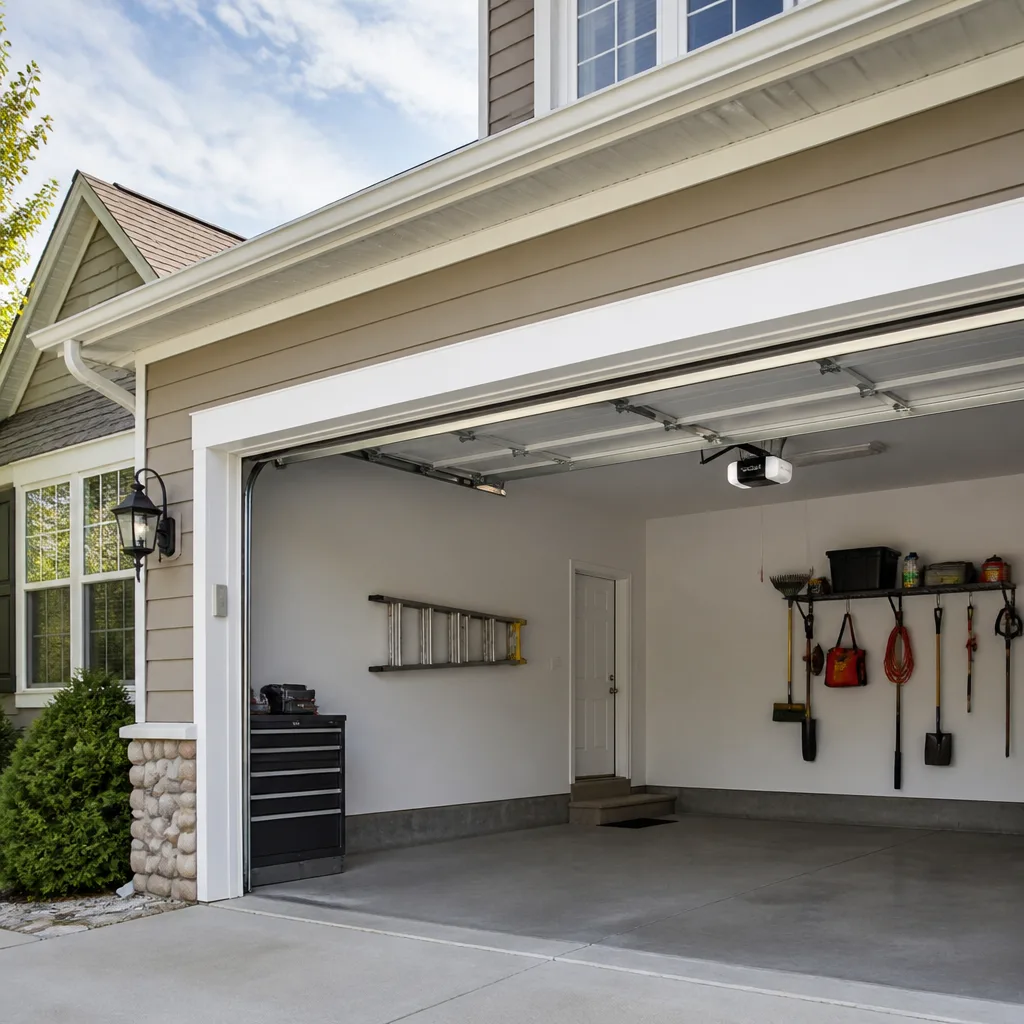 Chamberlain openers
Full 25-point door and opener safety check with every visit - springs, cables, rollers, tracks, and your LiftMaster or Chamberlain opener included
You get a price before we start. It does not change when the pro arrives.
Get your free estimateGarage Door Warning Signs: A Roseville Homeowner’s Reference Guide
A garage door rarely fails without warning. The “little slow” opener or the grinding noise that shows up only sometimes is not a bad day. It’s one specific component telling you it’s on the way out, and there’s usually a two-to-six week window to fix it cheaply before it turns into a snapped spring at 6am. Most homeowners in Roseville walk past four or five clear warning signs every day without recognizing them: a gap in a cable, uneven wear along the bottom seal, a track that has discolored at the bolt. This guide teaches you to read those signals correctly, sort the low-urgency warnings from the stop-using-it-now warnings, run a balance test, and describe symptoms so accurately that a technician can diagnose over the phone and arrive with the right parts.
Quick Answer
The most reliable garage door warning signs are unusual sounds (grinding, popping, scraping, rattling), a door that reverses or stops partway, visible cable fraying or gaps, uneven bottom-seal wear, track discoloration, and a door that fails the balance test. Grinding and rattling usually mean a worn roller, hinge, or opener gear; popping or a loud bang means a spring or cable under tension is failing. If you hear a bang or see a hanging cable, stop using the door and call a professional. If it’s only noisy, it’s usually a lower-urgency repair you can schedule.
Styles & brands we work with
- Raised-panel steel
- Carriage house
- Modern flush
- Full-view glass
- LiftMaster openers
- Chamberlain openers
Table of Contents
- What Each Garage Door Noise Is Telling You
- Visual Warning Signs You Walk Past Every Day
- The Balance Test: Why a “Mostly Working” Door Can Fail
- Low-Urgency Warnings vs. Stop-Using-the-Door Warnings
- Roseville Climate and What It Does to Your Door
- How to Log and Describe Symptoms for a Fast Diagnosis
- Brand-Specific Wear Patterns
- Repair or Replace? Reading the Signs Together
What Each Garage Door Noise Is Telling You
A garage door makes a predictable set of sounds, and each one points to a specific failing component. We’ve found that homeowners who can match the noise to the part save themselves a wrong guess and often a second service call. Here’s how we diagnose by ear when a Roseville homeowner describes a sound over the phone.
- Grinding: Usually a worn roller (the wheel that rides in the track) or a dry, failing bearing. A grinding that gets worse over weeks is mechanical wear, not a one-time event. Grinding from the opener head itself often means the gear inside is stripping.
- Popping or a sharp snap: A spring or cable under tension is shifting or failing. Popping from a torsion spring on the wall above the door is a serious signal. This is the sound most often reported right before a spring lets go.
- Scraping: The door panel or a hinge edge is rubbing the track. Usually a bent track, a loose hinge, or a panel that has started to sag. Scraping left alone wears the panel edge and can crack it.
- Rattling: Loose hardware. Hinges, brackets, or the bolts that hold the track to the wall have worked loose. Rattling on a door that opens fine is low-urgency but indicates the door is shaking itself apart over time.
- Clicking that repeats: Often the opener’s safety sensor or limit switch, not the door. Clicking without movement means an opener fault more than a mechanical one.
The useful rule: a sound tied to a particular point in the door’s travel points to a mechanical part; a sound tied to the opener head points to the opener. If you can tell a technician whether the noise happens on the way up, on the way down, or at the very top, they can often narrow the cause before arriving. If the noise is sharp popping or a bang, stop opening the door and garage door repair should be handled by a trained professional, not attempted yourself.
Visual Warning Signs You Walk Past Every Day
The visual warnings are the easiest to miss because they develop slowly. A home’s garage door is the largest moving object in the house, and the components that carry its weight and tension wear in visible ways. We’ve walked into Roseville garages and spotted all four of these in under a minute:
- Cable gaps and fraying: Look at the two cables running down the sides of the door. A healthy cable is a tight, continuous strand. A failing one has a visible gap, a frayed end, or a kink where strands have separated. Any fraying is an early signal, and a cable that has visibly slackened is urgent.
- Uneven bottom-seal wear: The rubber or vinyl seal along the bottom should wear evenly across the full width. A seal worn heavily on one side means the door is not closing level, which points to a track, spring, or cable problem. It also means the seal is no longer keeping out weather, insects, or water – and Minnesota wind drives rain sideways against those seals.
- Track discoloration: Look at the bolts and brackets along the metal track. Rust streaks or brown discoloration at a bolt can mean water intrusion along the track, or a bolt that has worked loose and is rubbing. A track that looks bent outward or inward compared to the other side is a clear imbalance signal.
- Panel separation and cabinet-door gaps: Stand outside on the driveway and look at the door as a whole. Panels that no longer sit flush, or that show a widening gap between sections, are loosening. A small sag in a single panel usually means the hinge and the roller at that section have worn.
These visual signs reward a slow walk-around twice a year. The spring, cables, tracks, hinges, rollers, and opener are the whole door, and if it’s on your garage door, it’s something a specialist is trained to check. A quick visual walk-around catches most of them before they fail.
The Balance Test: Why a “Mostly Working” Door Can Fail
A garage door that opens and closes on command can still fail the balance test entirely. The test is the single most useful thing a homeowner can do to read the door’s health, because a door can “mostly work” using the opener’s muscle to overcome a failing spring, and that hidden strain is what shortens the life of the opener and eventually snaps something. Here’s how to test it safely, with the door under control the whole time:
- Clear the doorway and the track. Make sure nothing and no one is under the door.
- Open the door fully with the opener or the wall button. Let it stop at the top.
- Disconnect the opener using the emergency release cord. This is the cord that hangs from the opener rail. Pull it so the door is now disconnected from the motor. The door is now only held by its springs and the tracks.
- Lift the door a few inches and stop. If the door stays where you let go, the springs are carrying it correctly. If it drops back down, the springs are too weak or the door is off balance.
- Move the door to the halfway position and let go again. A balanced door holds approximately at the half-open point. If it falls or rises on its own, the spring tension is wrong for the door’s weight.
- Reconnect the opener. Pull the cord again or follow the opener’s re-engage instruction, then cycle the door once to confirm normal operation.
A door that fails any of these steps needs spring adjustment or replacement. Here’s the safety caveat: never adjust springs or cables yourself. Torsion and extension springs are under extreme tension, and the torsion spring above the door and the cables along the sides can release stored energy violently with no warning. Reconnecting the door is fine to do yourself, and the test itself is safe if you keep your hands clear of the springs and tracks. A trained technician is the right person to set the tension. If you’d rather not test it yourself, that’s a good reason to call for a free estimate and we can check it on-site.
Low-Urgency Warnings vs. Stop-Using-the-Door Warnings
Not every warning sign means drop everything. Sorting low-urgency from stop-now saves you both money and risk, and it helps a Roseville homeowner decide whether to call for a scheduled repair or an emergency service. Here’s how we split them:
Low-urgency (schedule a repair, you can still use the door)
- Occasional rattling or a slight squeak.
- Grinding that started recently and hasn’t gotten worse.
- A bottom seal worn unevenly but not torn.
- A minor track discoloration at one bolt.
- An opener that is noisy but still lifts the door fine.
- A single worn roller or hinge, if the door still travels evenly.
Stop using the door now (call for emergency service)
- A loud bang and the door won’t lift, or lifts unevenly. This usually means a spring has snapped.
- A visibly hanging, slack, or snapped cable.
- A door that has come off one track and is hanging crooked.
- A door that drops a foot or more on its own when stopped partway.
- Popping that repeats at the same point of travel.
- Any panel that has separated enough to be a hazard to a child or pet.
The dividing line is tension and the door’s weight. If anything carrying spring or cable tension has failed, stop using the door and keep people and vehicles clear. If the door still travels evenly and the noise is mechanical, it’s usually a scheduled repair. Emergency garage door service exists for exactly the stop-now cases, and it’s a real capability, not an afterthought – call us and garage door opener repair and spring issues are what we do. We answer 24/7, with fast dispatch from 7am to 7pm Sunday through Friday, and we’re closed Saturday.
Roseville Climate and What It Does to Your Door
Roseville’s seasons put a specific cycle of stress on a garage door, and the warning signs show up in a predictable order. A Minnesota winter is the hardest test: the freeze-thaw cycles from November into March expand and contract the metal tracks and the spring steel in the torsion springs, and each cycle works hardware loose a little. That’s why a door that was quiet last fall can develop a rattle or a squeak by the first thaw. Wind-driven rain and snowmelt push against the bottom seal and the panel edges, which is where we typically find the earliest wear in Roseville garages. Salt and sand tracked in off the driveway don’t harm the door itself, but grit on the rollers and in the track will accelerate wear, so keeping the tracks swept out over the winter helps.
Summer brings the opposite stress: heat expands the door panels and loosens lubricant on the rollers, and a door that ran tight in the cold can start to bind in July. The useful takeaway is that Roseville homeowners should inspect after each seasonal shift – late fall before the first freeze and again in spring – because that’s when the freeze-thaw and heat-expansion changes are most visible. It also means a spring or cable that’s been through two or three of those cycles is closer to failing than its age would suggest. If you notice a new sound right after a hard cold snap or a hot week, it’s worth having it checked.
How to Log and Describe Symptoms for a Fast Diagnosis
A technician can often diagnose a garage door problem over the phone if the homeowner describes it accurately, and that means the right parts can be ready when they arrive. Most of the missed diagnosis comes from vague descriptions like “it’s acting weird.” Here’s how to log and describe symptoms so the first call does the most work:
- Note when it happens. On the way up, on the way down, or at a specific point like the halfway mark or the top.
- Describe the sound in your own words. “A grinding when it starts up,” “a pop about two-thirds of the way down,” “a rattle right as it stops.” Plain language beats technical guesses.
- Watch the door with the door closed first. Does it move evenly? Does one side lag behind? Does it stop partway and reverse?
- Check the door’s position. Note if it stops a few inches off the floor, hangs crooked, or opens at an angle.
- Write down what you see on the sides. Any gap in a cable, a frayed end, a bent track, a loose bolt.
- Note the opener’s behavior. Lights blinking, clicking without movement, or a wall button that works but a remote that doesn’t.
When you call, walk through that log once. It tells us whether this is a spring, a cable, an opener, or a hardware issue, and whether it’s a scheduled repair or something to treat as urgent. Keep the log somewhere near the door, and add to it after each seasonal inspection. Accurate description is the difference between a one-visit fix and a second trip for the wrong part. We work on the major brands, so you won’t hear “we don’t carry that” after you’ve described it – our technicians have up to 15 years of experience with the common makes.
Brand-Specific Wear Patterns
The garage door’s wear pattern has a lot to do with the hardware that’s installed, and the brand on your door or opener can help point to the first place to check. Here’s what we look for on the brands we work on:
- Amarr and Wayne Dalton doors: These are common on Roseville homes, and both tend to show wear first at the bottom seal and the panel hinges, because the bottom section takes the brunt of the weather and the driveway slope. Check the bottom section’s hinge plates as the door cycles.
- Craftsman openers: A very common opener in this area. Craftsman openers typically fail at the gear or the travel limit first, which shows up as the door stopping slightly short of the floor or not opening the full height.
- Raynor doors: Raynor is a heavy commercial-grade style that many homeowners don’t realize also makes residential doors. On a Raynor, the spring and roller wear tend to show together, so if the sound is grinding, check the springs for tension consistency too.
The brand matters less than matching the wear to the right part, but it helps a specialist bring the right replacement on the first visit. We service equipment from Amarr, Wayne Dalton, Craftsman, Raynor, and four of the other leading manufacturers, so call with the brand and the symptom and you’ll get a straight answer. If your door is not on that list, tell us what’s on it and we’ll let you know whether it’s a fit – we won’t guess.
Repair or Replace? Reading the Signals Together
A single warning sign usually means a repair. Four or five at once, especially on an older door with repeated spring or opener failures, is often the point where a full replacement makes sense. Here’s how we think about the decision, and it comes down to where the failures cluster:
- Repair when the warnings point to one or two mechanical parts on a door and opener that otherwise run well.
- Repair when the door is younger and the springs or opener are the only fault.
- Replace when the panels themselves are dented, cracked, or separated across several sections.
- Replace when the opener and the door have both repeated failures, since the cost of fixing each part approaches a new door’s price.
- Replace when the door’s seals and hardware have aged together across several seasons and a single repair just moves the problem down the road.
The balance test helps make the call. If the door can’t hold position at the halfway point, the springs are the fault; if it holds but wobbles, the tracks and rollers are. If it rises and scrapes at the same time, it’s both and it’s worth getting a full assessment. Getting the diagnosis right first is why the free estimate matters, and a written price is set before any work begins, so you know the cost before anything is touched. If you’re weighing new installation, we can lay out the options in one visit – see garage door installation for what that involves.
Common Mistakes to Avoid
- Ignoring the first grinding noise because the door still opens. By the time a worn roller is audible, the roller and often the hinge are both compromised, and the repair the following month covers both. A rattling door that works is still telling you it’s loosening.
- Assuming a slow door means a worn-out opener. The opener often gets the blame for a door that fails the balance test. The opener’s motor is fighting weak springs, and replacing the opener leaves the springs still weak. Test the door first, then the opener.
- Trying to fix a spring or cable yourself. Torsion and extension springs are under extreme tension and can release violently. This is the failure that turns a scheduled repair into an injury, and it’s the reason a spring specialist exists.
- Waiting until a Roseville winter freezes the door shut. A door with uneven bottom-seal wear or a track slightly out of line binds harder once the freeze hits and the door sits overnight. The warning was there in the fall; the repair is more urgent in January.
- Describing the problem as “it’s acting weird” on the phone. That call often ends with a technician guessing and a second visit for the wrong part. A logged description of when, where, and what sound gets the right part the first time.
- Buying a new door because the opener is failing. Opener repair is a separate job from door replacement, and a noisy or unbranded opener on a sound door is no reason to replace the door.
- Going without a written estimate. A verbal “it’ll be a couple hundred” is not a binding price, and the point of the written quote is that the number is fixed before work starts, not after.
See the difference
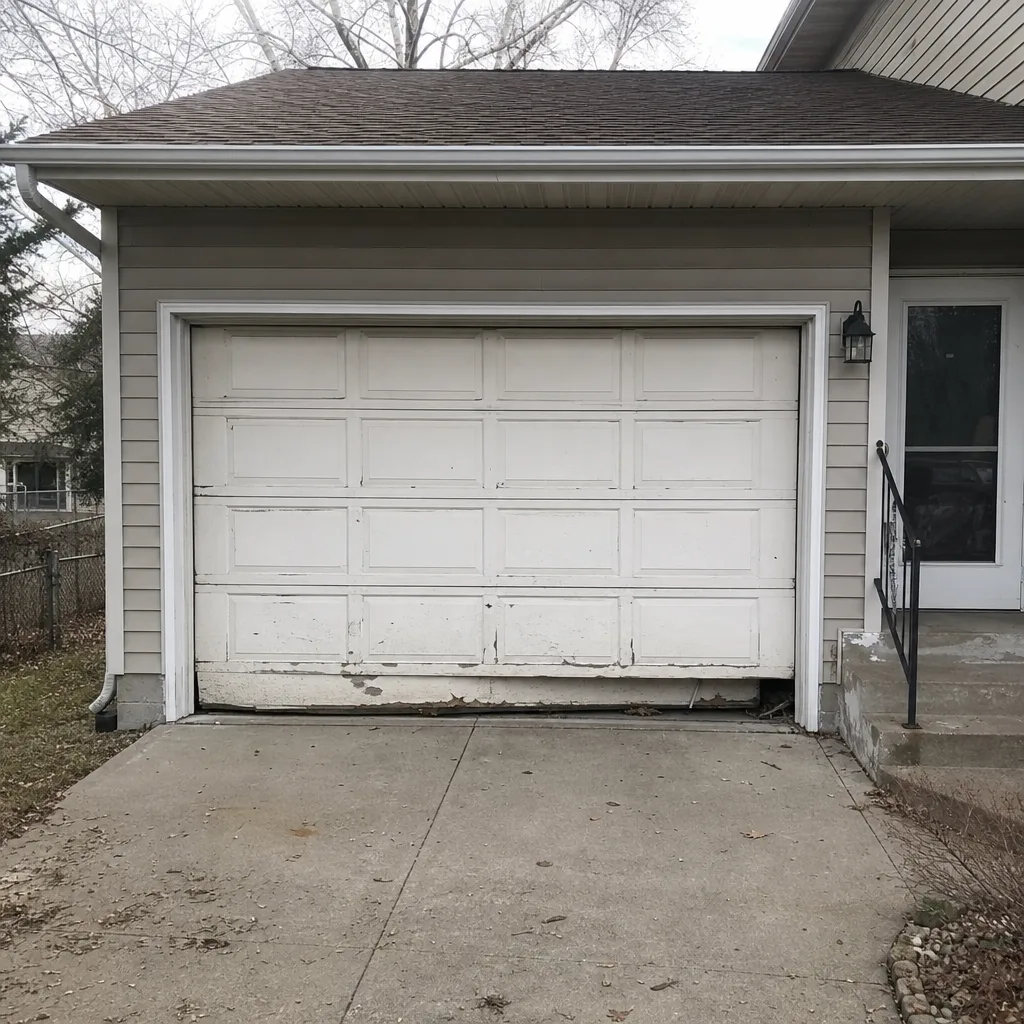 Before
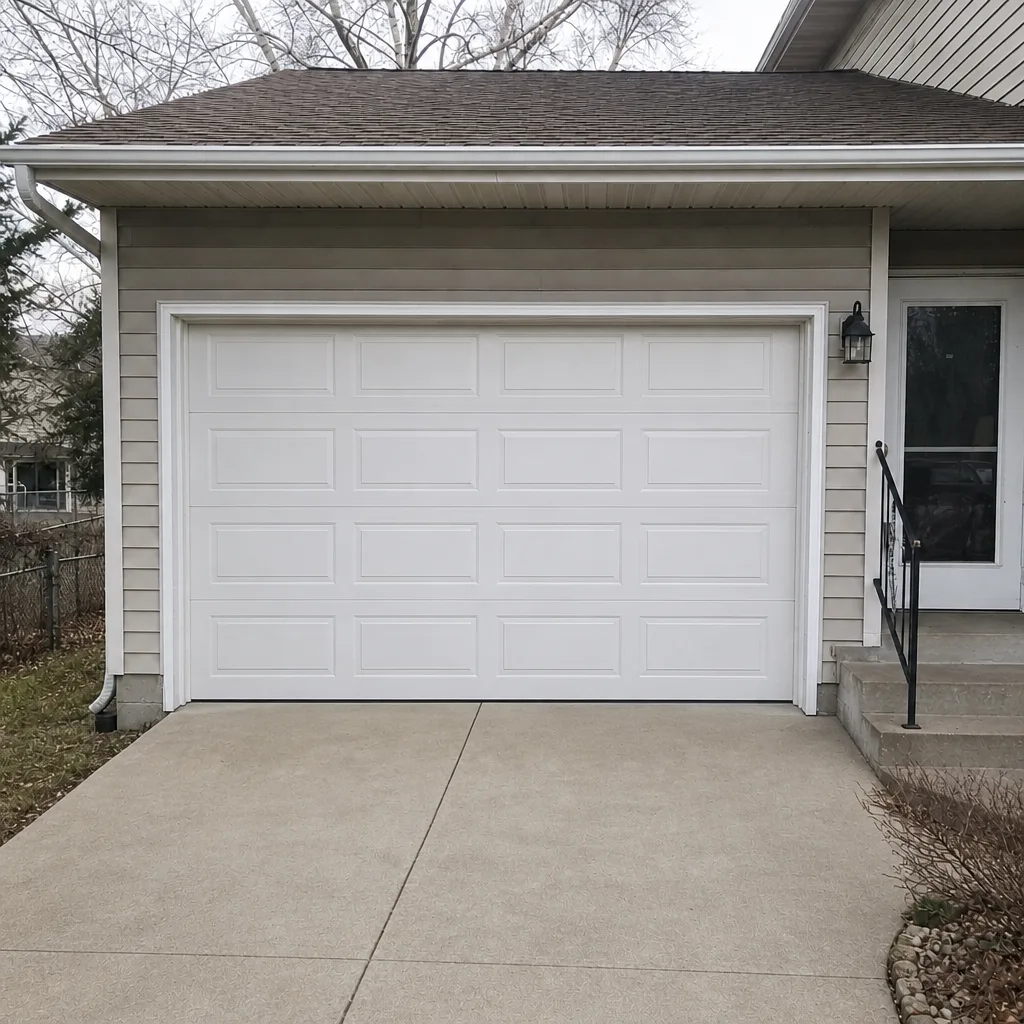 After
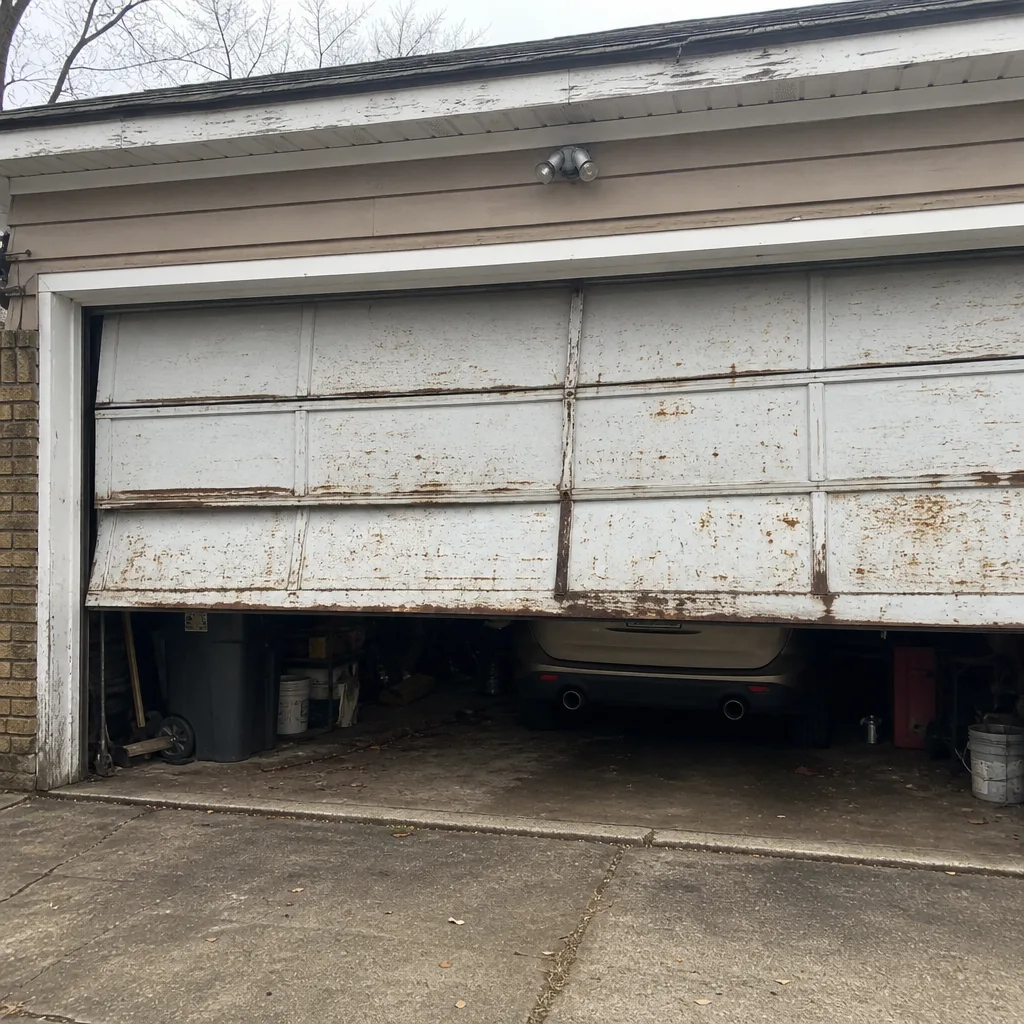 Before
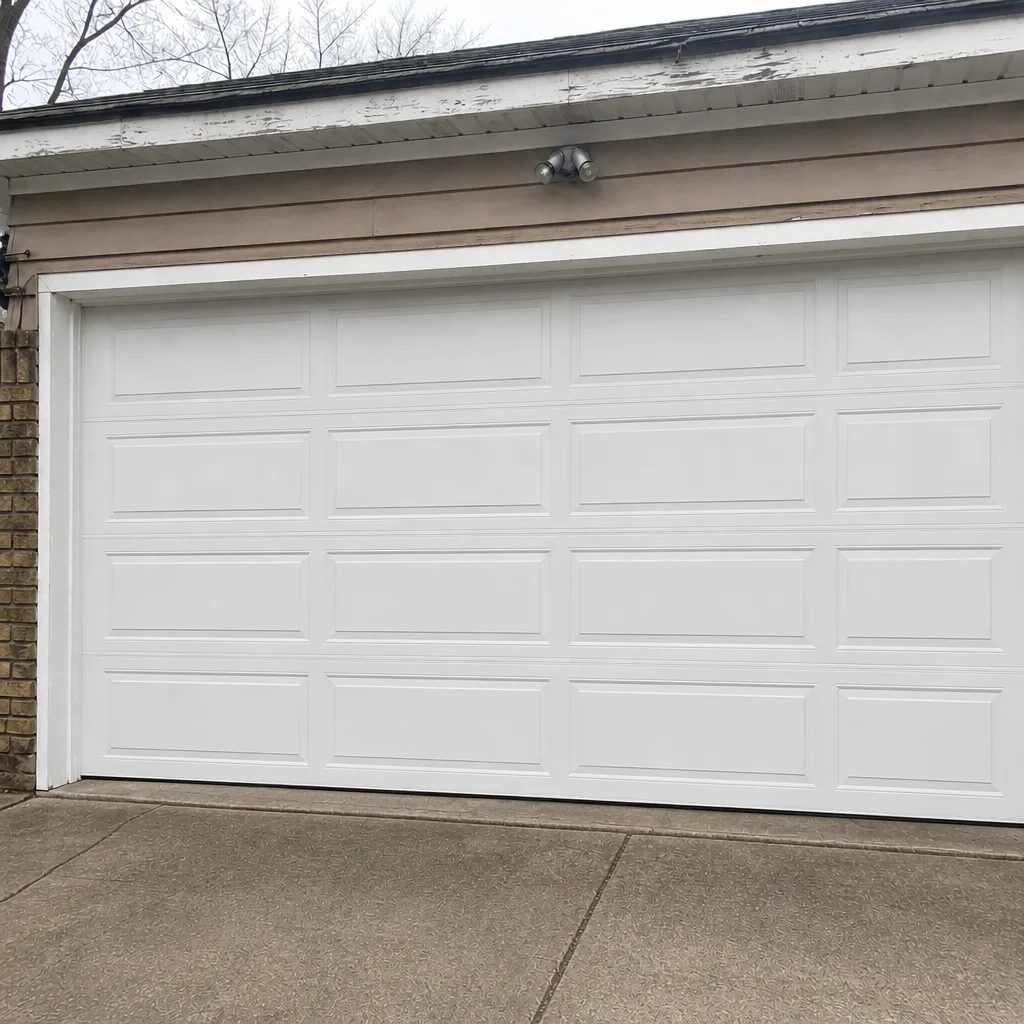 After
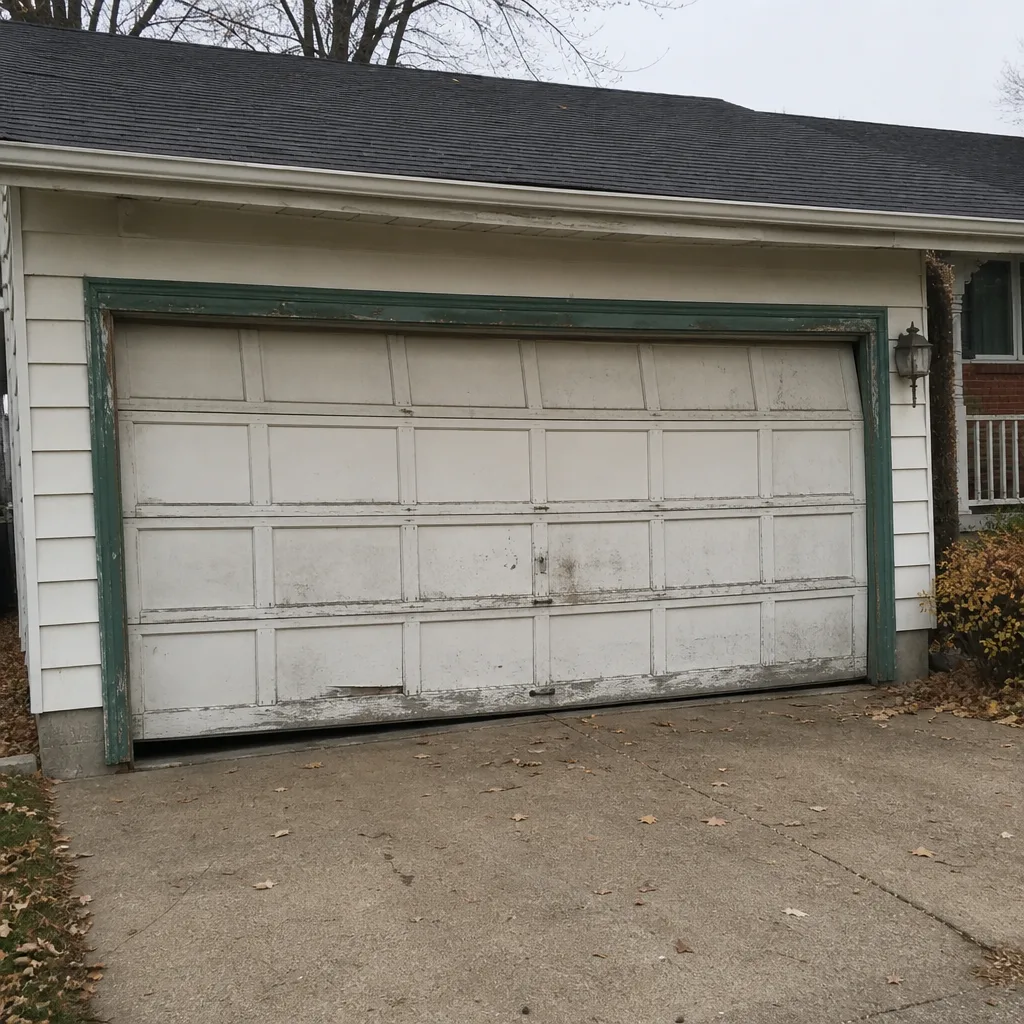 Before
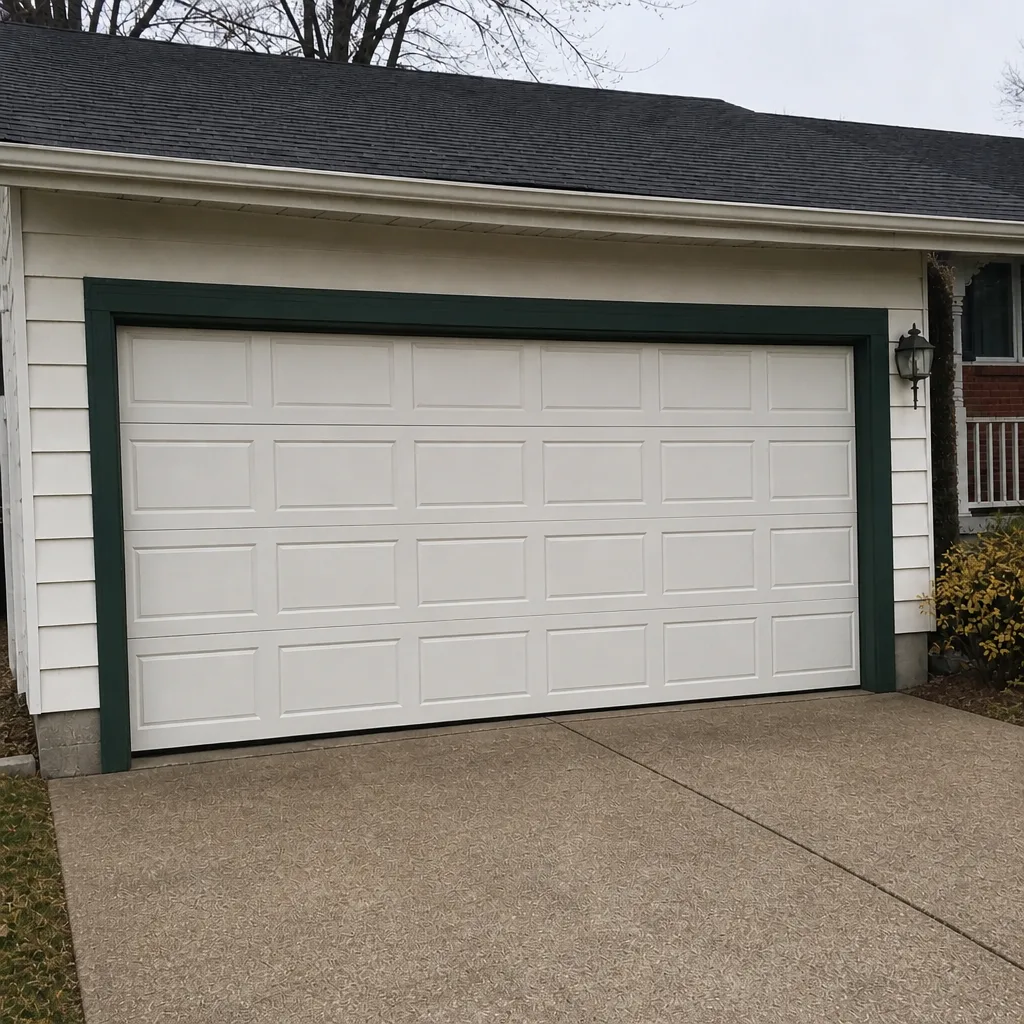 After
When to Call a Professional
Call a professional when you hear a sharp pop or bang and the door stops working, when you see a frayed or hanging cable, when the door hangs crooked or comes off the track, or when the balance test tells you the springs have lost tension. Call us when the door fails the open-and-hold check at the halfway point, when it drops on its own, or when a repeating noise points to a mechanical part you can’t identify. These are the situations where the right part matters and the spring tension is a safety issue. Roseville Garage Door Repair Co offers free estimates in Roseville – call (866) 401-8087. We’re a garage-door-only specialist, so every technician is working on this equipment all day. We answer 24/7, and for the urgent cases there’s fast dispatch from 7am to 7pm Sunday through Friday. If a door fails on a Saturday and you call, we’ll book you for Sunday; we’re closed Saturday.
Frequently Asked Questions
Watch for a loud popping sound at the same point in the door’s travel, a door that suddenly won’t hold the halfway position during the balance test, and a visible gap between spring coils. As a spring loses tension it often makes a repeated popping noise before it fails. Call (866) 401-8087 for an exact quote – estimates are free.
A grinding door is usually safe for short-term use as long as it still travels evenly and there’s no cable damage, but it points to a worn roller or failing bearing that will get worse. It’s a scheduled-repair signal, not an emergency. Call us and describe where the grinding happens – that’s often enough to know which part needs replacing.
Intermittent operation points to a failing opener component or a binding track rather than a spring, and it’s worth testing the balance before blaming the opener. A door that fails the balance test will still open sometimes because the opener’s motor is strong enough to muscle it through on a good cycle. Call (866) 401-8087 for an exact quote on the repair – estimates are free.
Yes. A door that won’t open or close at all is the emergency case that gets priority, and same-day service is available. The cost of the same-day visit is set by the written estimate, not by a surcharge. Call (866) 401-8087. We answer 24/7. Fast dispatch from 7am to 7pm, Sunday through Friday.
No. The price is quoted and agreed before any work starts, and the written estimate sets the final price. If the diagnosis turns up a second problem, that’s a separate quote for you to approve before it’s touched. A clear symptom log makes the first estimate more accurate.
The local pros we connect you with are licensed and insured as their state requires, and they work on garage doors as a specialty rather than general home repair. Our technicians have up to 15 years of experience with LiftMaster, Chamberlain, Genie, Clopay, Amarr, Wayne Dalton, Craftsman, and Raynor equipment. Call (866) 401-8087 for a free estimate.
The Bottom Line
A garage door tells you weeks before it fails – in sound, in visual wear, and in how it holds position. Learn the four sound types, do the balance test each season, and log what the door does before you call. Sort the warnings into low-urgency noise you can schedule and stop-now signals like a bang or a hanging cable that mean the door stays closed. Read them early and most Roseville homeowners trade an emergency call for a scheduled repair at a price set in writing up front. Garage doors are all we do, and the full-service life from a snapped spring to a full new door is under one number: Roseville Garage Door Repair Co.
Call (866) 401-8087 for a free estimate. We answer 24/7. Fast dispatch from 7am to 7pm, Sunday through Friday.
Written by the team at Roseville Garage Door Repair Co.