
Last updated November 23, 2026
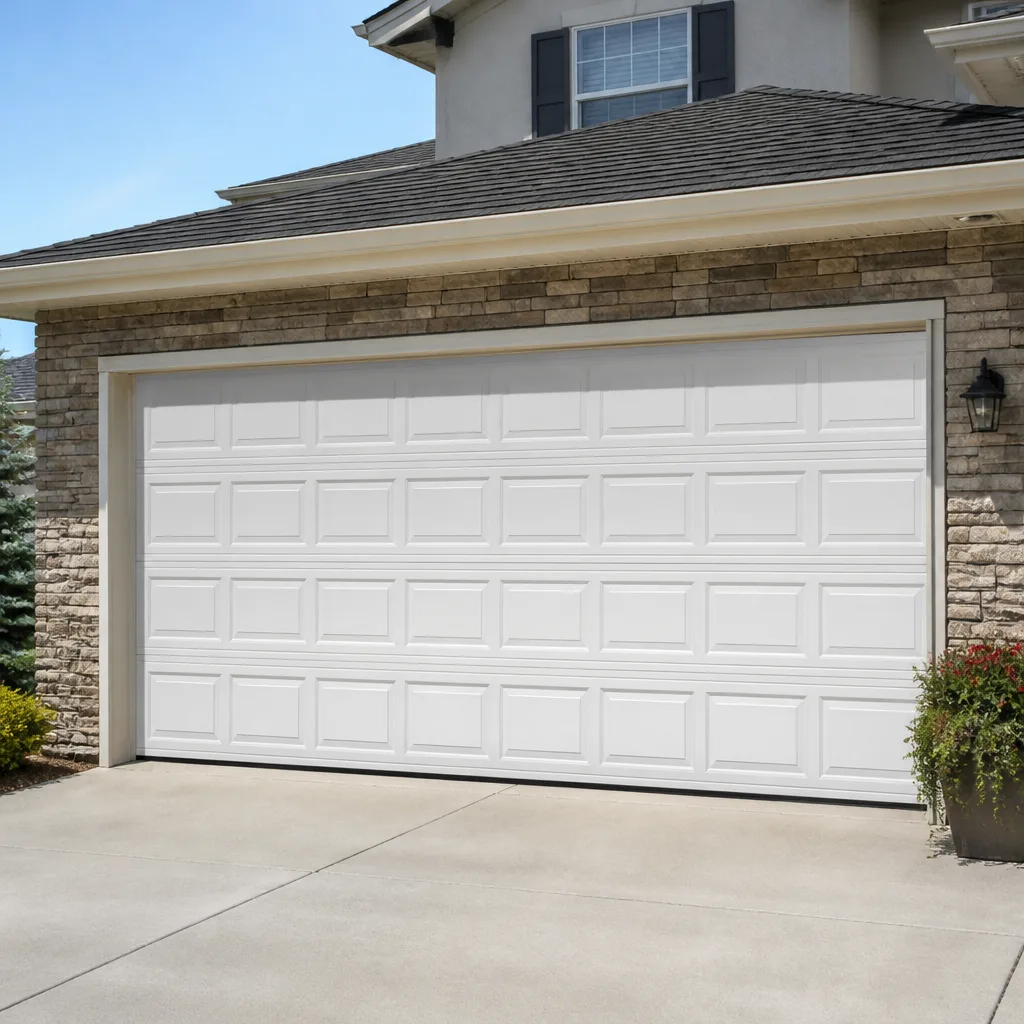 Raised-panel steel
 Carriage house
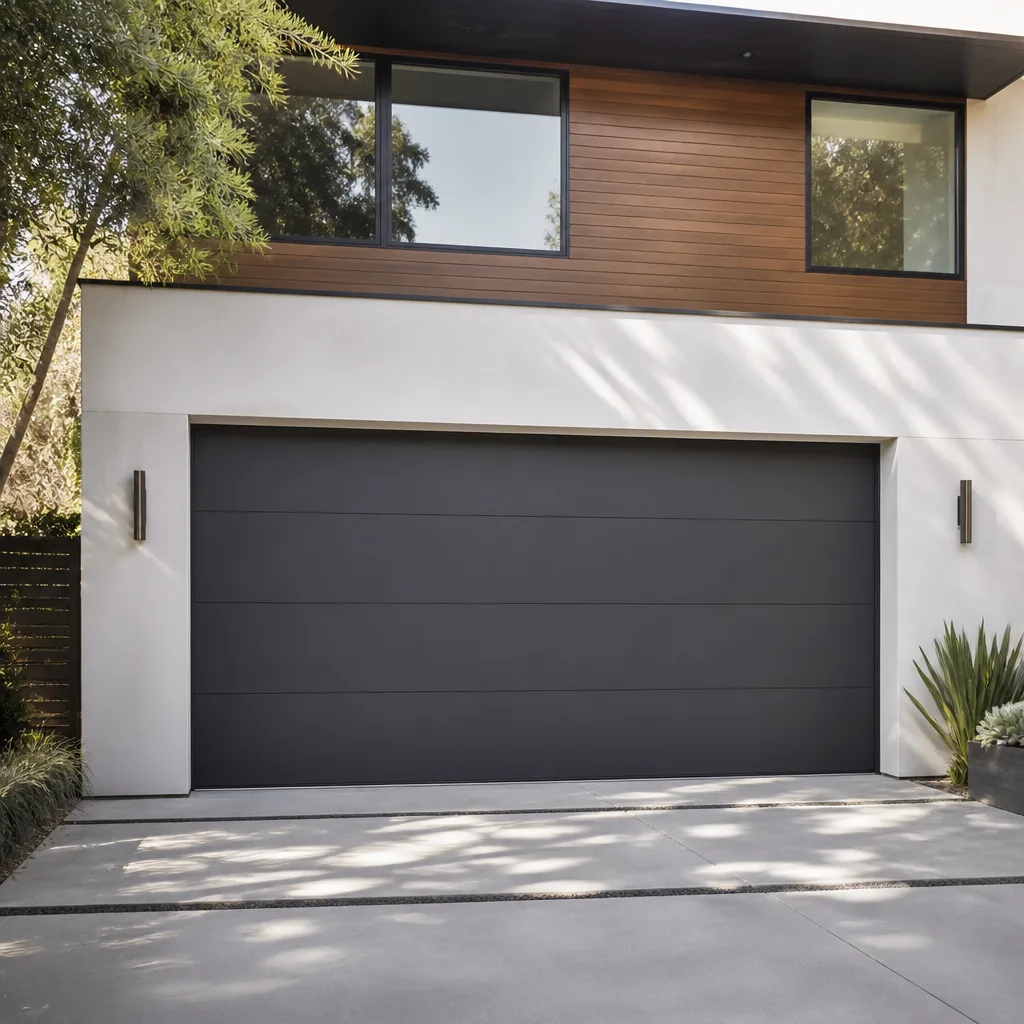 Modern flush
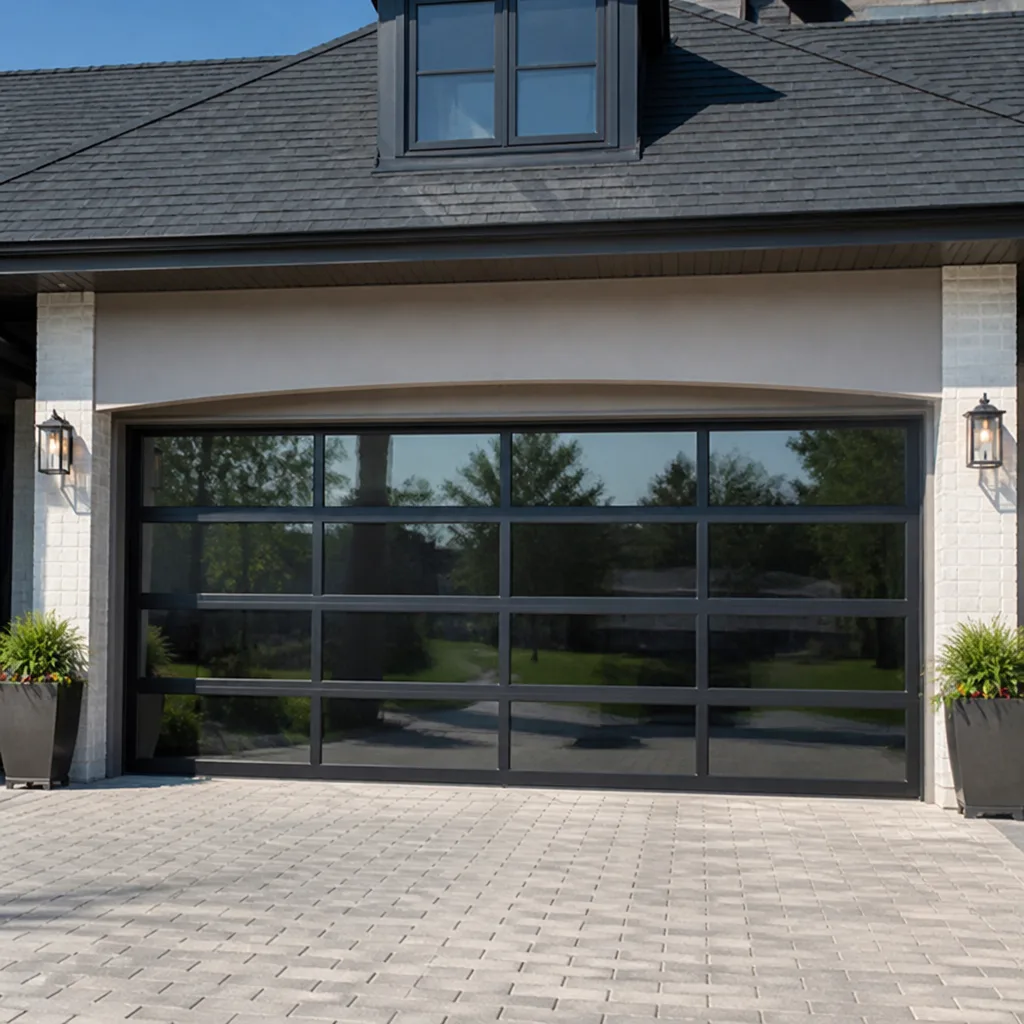 Full-view glass
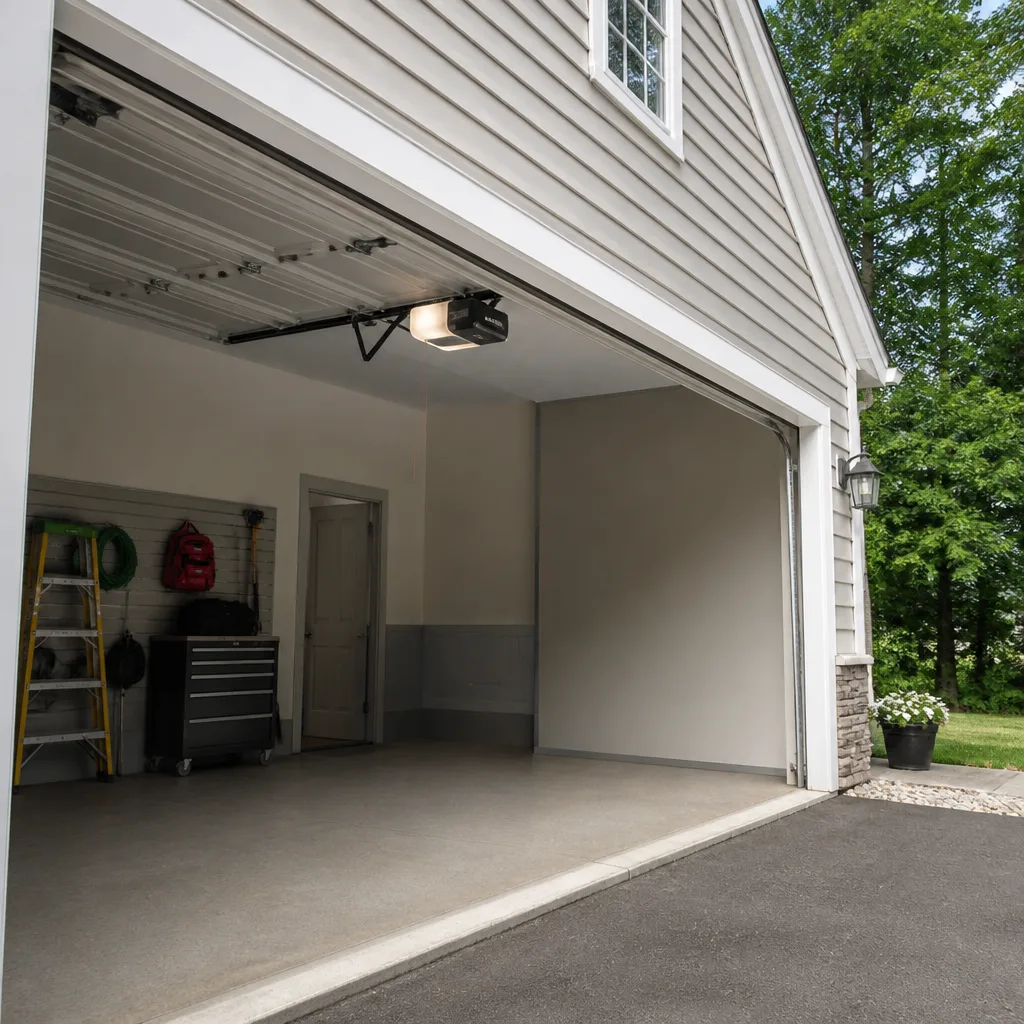 LiftMaster openers
 Chamberlain openers
Full 25-point door and opener safety check with every visit - springs, cables, rollers, tracks, and your LiftMaster or Chamberlain opener included
You get a price before we start. It does not change when the pro arrives.
Get your free estimateGarage Door Permits, Codes & Inspections in Roseville, MN: What You Need to Know
Most Roseville homeowners replacing a garage door assume it’s a no-permit job. Often they’re right. Sometimes they’re wrong in a way that surfaces years later, during a buyer’s inspection, when unpermitted work gets flagged and a sale stalls over paperwork nobody thought to pull. The line between “swap the door and go” and “that needed a permit” isn’t obvious, and it depends on what’s actually changing. This guide walks through when Roseville and Ramsey County require permits for garage door work, what the state code says in plain terms, what an inspector checks, who’s responsible for pulling the permit, and how permit history shows up at resale. By the end you’ll know exactly which questions to ask before anyone touches your door.
Quick Answer
In Roseville, a like-for-like garage door replacement (same size, same opening, no structural or electrical changes) is generally exempt from a building permit, but anything that alters the structure, the opening, or the electrical circuit feeding the opener usually requires one. Garage door openers are electrical equipment, and new wiring or a circuit change falls under the Minnesota State Building Code and needs a permit and inspection. The fastest way to know for your specific door is to call the City of Roseville building department and describe the job in one sentence.
Styles & brands we work with
- Raised-panel steel
- Carriage house
- Modern flush
- Full-view glass
- LiftMaster openers
- Chamberlain openers
Table of Contents
- When a Garage Door Replacement Is Exempt in Roseville
- What Triggers a Permit: Structural and Electrical Changes
- Minnesota State Building Code, Translated for Homeowners
- What a Roseville Building Inspector Actually Checks
- Who Pulls the Permit: You or the Contractor?
- How Permit History Shows Up at Resale
- The Permit Process, Step by Step
- Common Mistakes to Avoid
When a Garage Door Replacement Is Exempt in Roseville
A straight replacement of an existing garage door with one of the same size and configuration typically doesn’t require a building permit in Roseville. The reasoning is simple: you’re removing a door and hanging another door in the same opening, using the same track layout and the same hardware attach points. No structural member changes, no new opening, no electrical work. That’s maintenance, not construction.
Here’s what “like-for-like” actually means in practice. If any of these describe your job, you’re likely in exempt territory:
- The door size matches the old one exactly (same width, same height).
- The existing tracks, brackets and header attachment stay where they are.
- You’re reusing the existing opener and its wiring without modification.
- The springs stay the same type and are mounted in the same location.
- No wall, header, or framing is being cut, moved, or added.
We’ve replaced a lot of doors across Roseville, from the older homes near the fairgrounds to the newer construction out toward County Road C, and the majority are straight swaps. Clopay and Amarr both build stock sizes that drop into the most common openings without any framing changes. That’s the scenario where the exempt rule applies.
One thing to be careful about: exempt doesn’t mean unrecorded. Even on a no-permit replacement, keep the manufacturer spec sheet, the model number, and any paperwork from the installer. When you sell, a buyer’s agent who sees a brand-new door with no documentation will ask questions. Having the file ready answers them in thirty seconds.
What Triggers a Permit: Structural and Electrical Changes
The moment your job stops being a straight swap, the permit question changes. Two categories do most of the triggering: structural changes to the opening or header, and electrical changes to the opener circuit.
Structural triggers
- Widening or raising the opening. Cutting a header or reframing the opening is structural work and needs a permit.
- Converting a manual door to a powered one where a new structural mount is required.
- Adding a garage door where there wasn’t one, such as enclosing a carport or adding a bay.
- Repairs after impact damage that involve replacing framing, not just the door and tracks.
- Changing the door type in a way that shifts load, like moving from a light sectional door to a heavy insulated model with different spring and track requirements.
Electrical triggers
Garage door openers are electrical equipment. If your job involves running a new circuit, adding an outlet in the garage to feed an opener, or moving the opener’s power source, that electrical work falls under the Minnesota State Building Code and generally requires a permit and an inspection. Simply unplugging an existing opener and plugging a new one into the same outlet is not electrical work. Running wire is.
In our experience, the electrical trigger catches people off guard more often than the structural one. A homeowner buys a new opener, discovers there’s no outlet near the new mounting position, and asks an installer to “just add one.” That’s the point where a permit needs to enter the conversation. If you’re planning garage door opener repair or replacement and the power situation isn’t a simple plug-in, ask about the electrical scope before work begins.
When in doubt, one phone call settles it. Describe the job to the City of Roseville building department in a single sentence: “I’m replacing a sixteen-by-seven door with the same size door, reusing the opener.” Or: “I’m widening the opening by two feet and installing a new opener on a new circuit.” The first answer will be quick. The second will involve a permit.
Minnesota State Building Code, Translated for Homeowners
You don’t need to read the Minnesota State Building Code cover to cover, but you should understand what it’s actually regulating when it comes to your garage door. The code language is dense; the intent is not. Here’s the plain-English version of what applies to residential garage doors.
Structural provisions. The code governs how openings are framed, how headers are sized, and how loads transfer. When your door replacement doesn’t touch any of that, the structural provisions are satisfied by the existing construction. When it does, an inspector will want to see that the new framing meets the same load requirements as the original.
Electrical provisions. The code covers wiring methods, circuit protection, and how equipment is connected. An opener on a dedicated circuit that’s properly grounded and protected is compliant. An opener fed by an extension cord stapled to a joist is not. If you’re adding a circuit, the electrical work is inspected, not the door itself.
Safety provisions. Modern doors and openers have safety features that older installations lack: photoelectric sensors that reverse the door if something crosses the path, and a pressure-sensing reverse. A new opener installation needs these to function. An inspector checking an opener install wants to see that the safety reverse works and that the sensors are mounted and aligned.
Means of egress and fire separation. If your garage is attached to the house, the wall and door between the garage and living space are regulated for fire separation. You’re not touching that wall in a garage door replacement, but if your project involves anything adjacent to it, expect the inspector to look.
One practical note we pass along to Roseville homeowners: don’t try to interpret the code yourself for a borderline job. The code is written for contractors and inspectors, not for a homeowner standing in the garage with a tape measure. The building department will tell you in two minutes whether your specific job needs a permit, and that answer is the one that matters.
What a Roseville Building Inspector Actually Checks
If your job requires a permit, an inspection follows. Knowing what the inspector is looking for lets you prepare and avoids a failed inspection and a re-inspection fee. Here’s what typically gets checked on garage door and opener work.
- Permit and approved plans on site. The inspector wants to see the permit posted or available and the plans matching what’s actually installed. If the job changed mid-stream, that needs to be reflected.
- Structural work matches the approved scope. If you pulled a permit for a widened opening, the framing, header size, and attachment need to match what was approved. An inspector measures.
- Electrical connections. If a new circuit was run, the inspector checks the wiring method, the box, the grounding, and the circuit protection. This is often a separate electrical inspection.
- Safety reverse function on the opener. The inspector or the installer demonstrates that the door reverses when it meets an obstruction and that the photoelectric sensors are mounted, aligned, and functioning.
- Door operation and balance. The door should open and close smoothly, stay in position when stopped halfway, and not bind in the tracks. This is less a code item and more a workmanship check, but it comes up.
- Clearances and labeling. Any required labeling on the door or opener, and proper clearance around moving parts.
In our experience, the two things that cause a failed inspection most often are a safety reverse that wasn’t adjusted after installation and electrical work that was done without a separate electrical permit. Both are avoidable. A qualified installer tests the safety reverse as a standard part of the job, and a licensed electrician pulls the electrical permit when wiring is involved.
Preparation is straightforward: have the permit and the approved plans available, make sure the work area is clear, and confirm the safety reverse is functioning before the inspector arrives. If the inspection is for structural work, have the framing exposed and visible, not covered with drywall or insulation.
Who Pulls the Permit: You or the Contractor?
This is the question that matters most, and the answer is counterintuitive. In most residential garage door projects that require a permit, the contractor pulls it, not the homeowner. The permit is tied to the work being done, and the party doing the work is the one who signs for it. But the homeowner is the property owner of record, and that’s where the liability question gets interesting.
Here’s how it plays out:
- If the contractor pulls the permit, the contractor is responsible for the work meeting code and for scheduling the inspection. If something’s wrong, the correction is on them. Ask for the permit number and confirm it’s been pulled before work starts, not after.
- If you pull the permit as the homeowner (which some jurisdictions allow for owner-occupied work), you are the one responsible for the work meeting code and for the inspection. If the job fails, the correction and the re-inspection fee are yours.
- If no permit is pulled when one was required, the liability lands on the property owner. The contractor may have moved on. The permit history follows the house, not the person who did the work.
The practical takeaway: when you hire a contractor, ask directly, “Are you pulling the permit for this job, and can you give me the permit number?” A contractor who does this regularly will answer without hesitation. A contractor who says “you don’t need a permit for that” on a job that clearly alters structure or electrical is telling you something about how they operate. For garage door installation work that involves framing or a new opener circuit, that question should be answered in writing on the estimate.
How Permit History Shows Up at Resale
This is where the permit question stops being abstract. When you sell a house, the buyer’s inspection and the title search both have a way of surfacing unpermitted work, and a garage door that was replaced or modified without a required permit is exactly the kind of item that gets flagged.
Here’s how it typically shows up:
- During the buyer’s home inspection. An inspector notes a new garage door, a modified opening, or a new opener circuit and asks for documentation. If there’s no permit on record and the work required one, it’s noted in the report.
- During the title and permit search. Many buyers’ agents and title companies pull the permit history for the property. A gap between what’s on record and what’s visibly installed raises a question.
- During negotiation. An unpermitted improvement that required a permit becomes a negotiating point. The buyer may ask for a credit, ask the seller to legalize the work after the fact, or walk away.
- During a lender’s appraisal or underwriting review. Some lenders flag unpermitted structural or electrical work because it affects the property’s insurability and value.
We’ve seen this play out in Roseville, and the frustrating part is that the fix is usually easy at the time of the work and awkward years later. Legalizing unpermitted work after the fact often means opening walls to expose framing, paying for a re-inspection, and sometimes undoing and redoing the install to match what an inspector can approve. A permit at the time of the job costs far less in hassle.
The upside: if your door replacement was genuinely exempt, there’s nothing to disclose, and you should say so confidently if asked. “That was a like-for-like replacement, no permit required” is a complete answer. Keep the spec sheet and the installer’s paperwork and you’re covered.
The Permit Process, Step by Step
If your job needs a permit, here’s the sequence from first call to final inspection. Timelines vary, so treat this as the order of operations rather than a schedule.
- Determine whether a permit is required. Call the City of Roseville building department and describe the job in one sentence. Get the answer, and if it’s a permit, ask what the application requires.
- Decide who pulls the permit. In most cases the contractor pulls it. Confirm this before any work begins, and get the permit number in writing.
- Submit the application with the scope of work. Structural work needs plans showing the framing and header. Electrical work needs the circuit details.
- Pay the permit fee and receive the approved permit. The fee is set by the city and is separate from the cost of the work.
- Complete the work to the approved scope. If the scope changes mid-job, the permit needs to be revised before the work proceeds, not after.
- Schedule the inspection. The contractor typically schedules it. For electrical work, expect a separate electrical inspection.
- Pass the inspection and close the permit. The permit is closed when the inspector signs off. Keep the final inspection record with your home documents.
The one step people skip is the last one: keeping the record. A closed permit that nobody can find later is nearly as much of a problem as no permit at all. Put the permit number and the final inspection paperwork with your other home records. When you sell, that file is the difference between a smooth transaction and a negotiating point.
Common Mistakes to Avoid
- Assuming every garage door replacement is exempt. A straight swap usually is. A widened opening, a new circuit, or a structural change is not. If the job changes the structure or the electrical, assume a permit is required until the building department tells you otherwise.
- Letting the installer talk you out of a permit. “You don’t need a permit for that” is a common shortcut, and sometimes it’s correct. On a job that clearly alters framing or electrical, get a second opinion from the city before you accept that answer.
- Skipping the electrical permit when adding a circuit. Running new wire to an opener is electrical work and falls under the Minnesota State Building Code. A garage door installer may not be the right person to do it, and the inspection expectation is separate.
- Not getting the permit number in writing. A contractor saying “we’ll pull it” is not the same as a permit on record. Ask for the number and verify it before work starts.
- Closing a permit and losing the paperwork. The final inspection record is the document that protects you at resale. File it with your home records the day you get it.
- Failing the inspection on the safety reverse. The door’s obstruction reverse needs to be tested and adjusted after installation. It’s a standard step, but it’s also the most common reason a garage door inspection fails.
- Assuming a permit at the time of the job is expensive. It’s not. Legalizing unpermitted work after the fact, opening walls and redoing an install to satisfy an inspector, is where the cost and hassle show up. The permit is the cheap part.
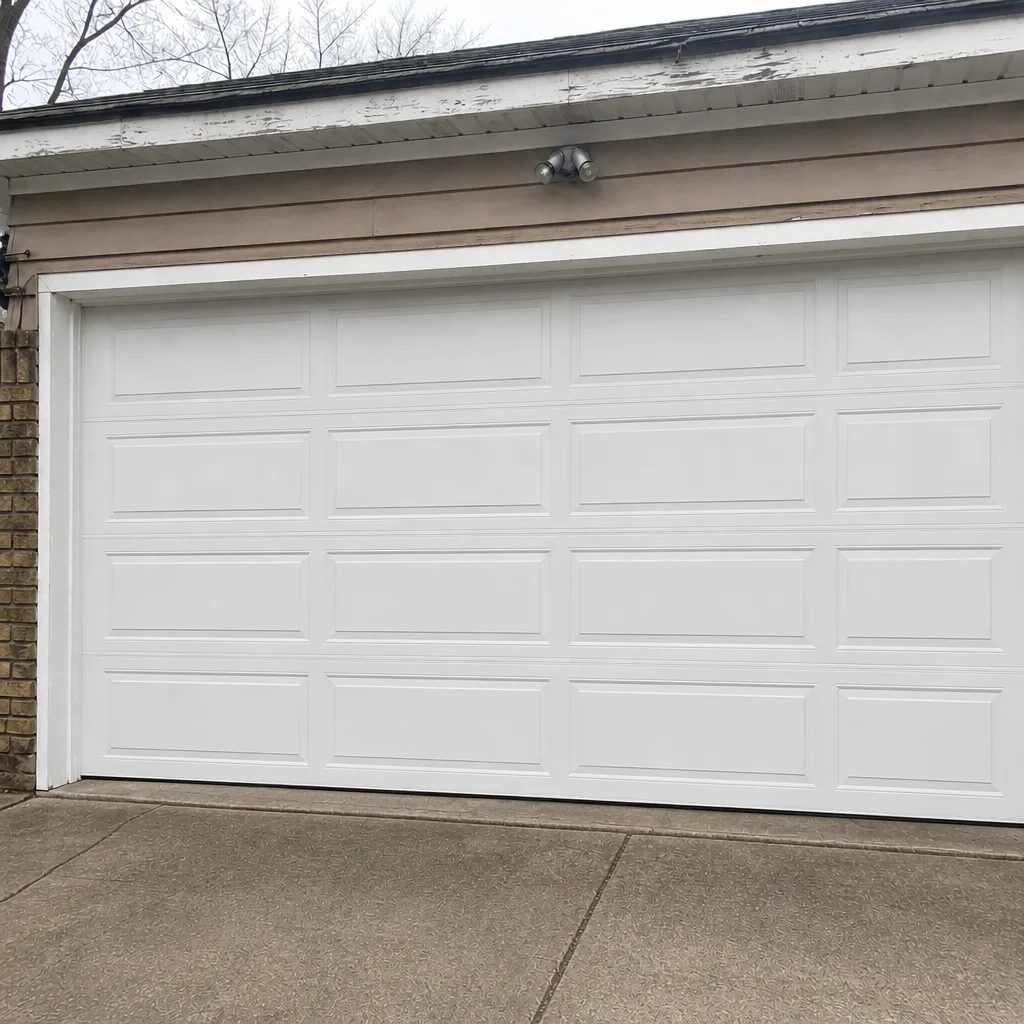
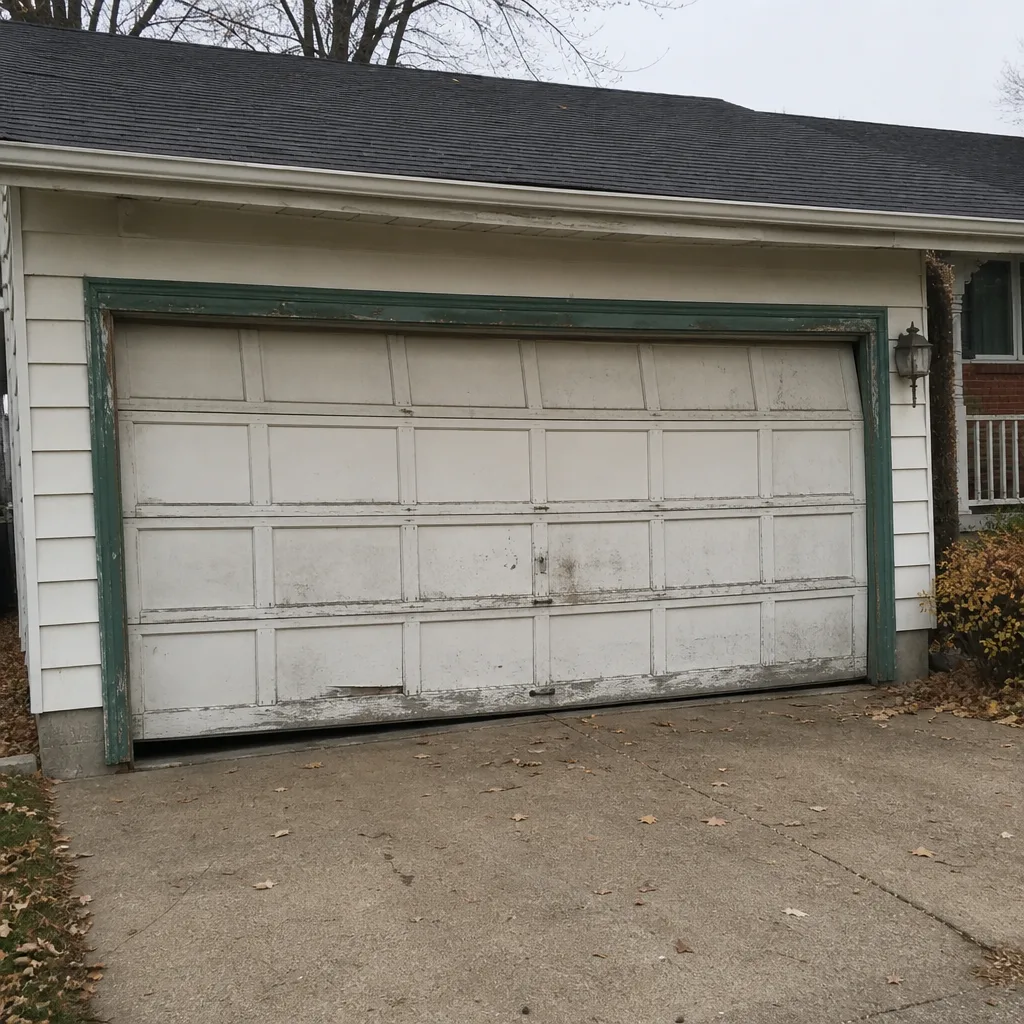
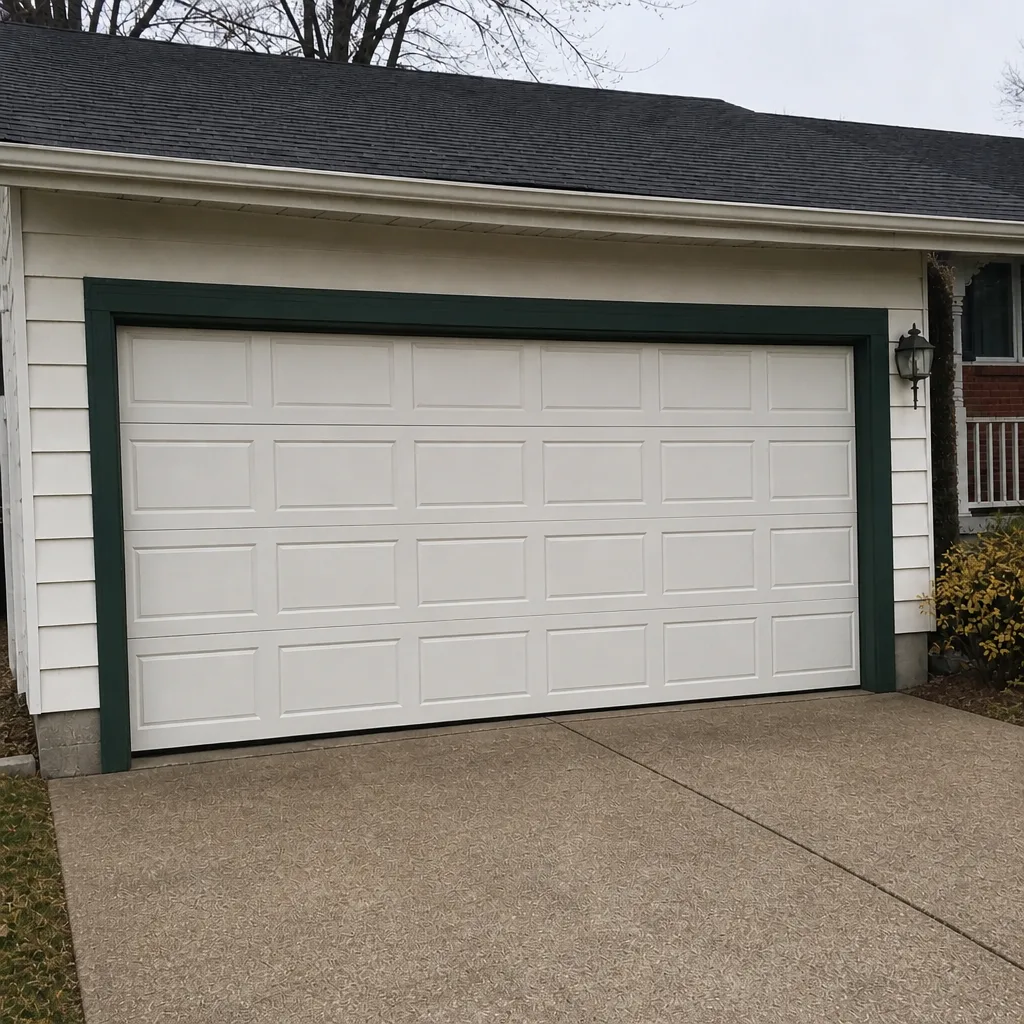
See the difference
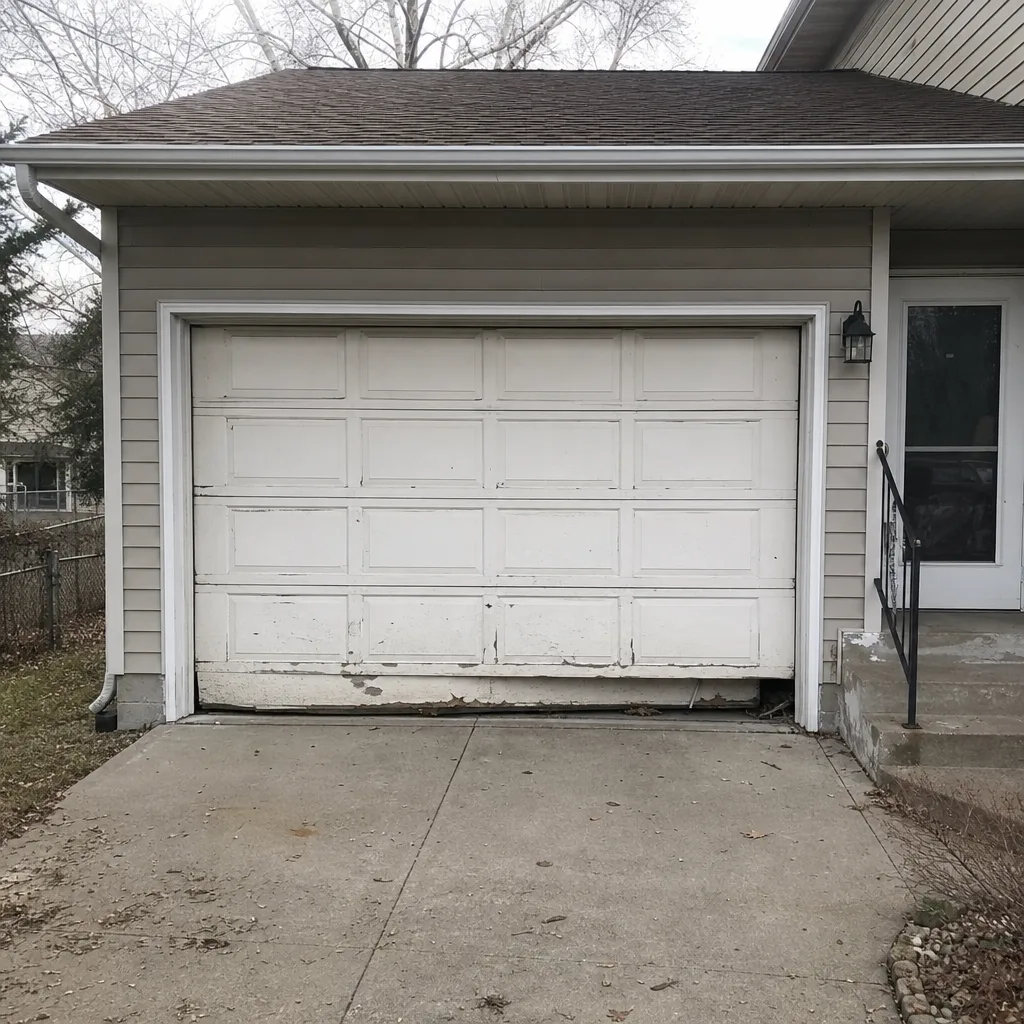 Before
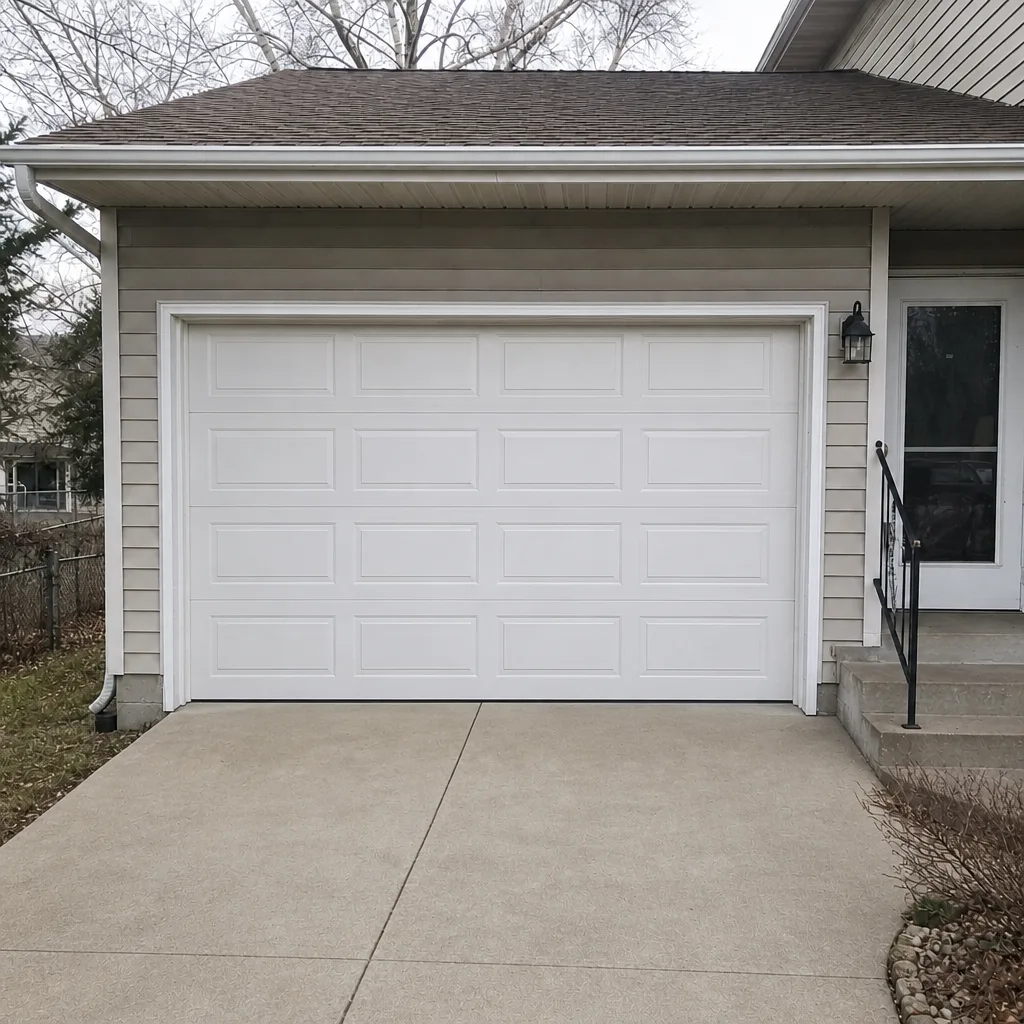 After
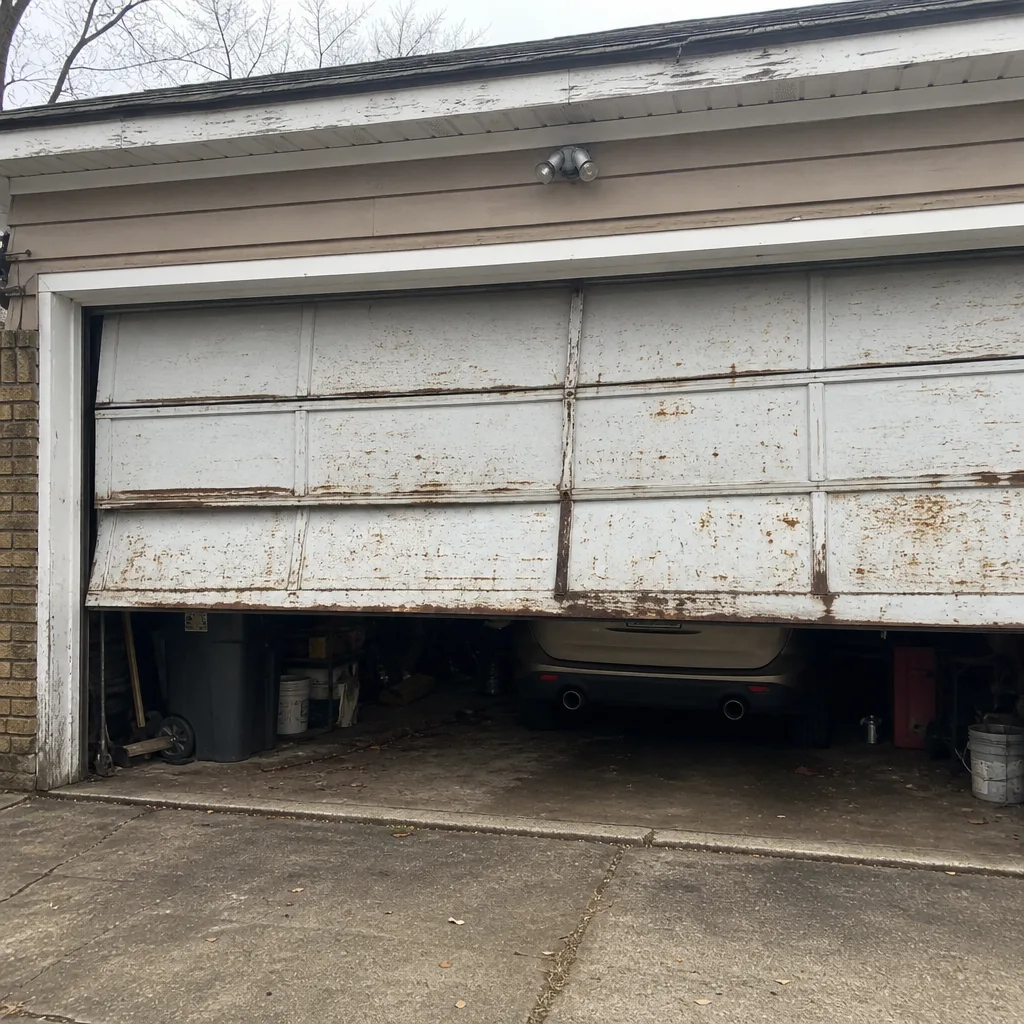 Before
 After
 Before
 After
When to Call a Professional
A lot of garage door work is genuinely safe to handle yourself: replacing a remote, lubricating the tracks, adjusting a sensor bracket. But some of it isn’t, and the line is clear. If you’re dealing with torsion or extension springs, stop and call a trained professional. Springs are under extreme tension, and a spring that lets go while someone is working on it causes serious injury. That’s not a job for a homeowner with a set of wrenches, and it’s not a job for a general handyman either. The same goes for a door that’s come off its tracks or a cable that’s snapped: those are load-bearing failures, and the door needs to be secured before anyone touches it. Electrical work on the opener circuit, if a permit is required, belongs with a licensed electrician. And if your door won’t open or close at all, leaving a garage open overnight is a security problem; same-day and emergency service exists for exactly that reason.
Roseville Garage Door Repair Co offers free estimates in Roseville, and we work on LiftMaster, Chamberlain, Genie, Clopay, Amarr, Wayne Dalton, Craftsman, and Raynor equipment. If you’re weighing a repair against a replacement, or you’re not sure whether your project needs a permit, that’s a conversation we have often. Call (866) 401-8087. We answer 24/7. Fast dispatch from 7am to 7pm, Sunday through Friday. The estimate is free, and the price is quoted and agreed before any work starts.
Frequently Asked Questions
Usually not, if it’s a like-for-like replacement in the same opening with no structural or electrical changes. A straight swap of the same size door, reusing the existing tracks and opener, typically doesn’t require a building permit in Roseville. If the job widens the opening, reframes the header, or adds a new circuit for the opener, a permit is generally required. The City of Roseville building department will confirm your specific job in a short phone call. Call (866) 401-8087 if you’d like us to walk through the scope with you first; estimates are free.
A new opener plugged into an existing outlet generally doesn’t need a permit. The permit question enters when the electrical work changes: a new circuit, a new outlet in the garage, or moving the opener’s power source. That electrical work falls under the Minnesota State Building Code and usually requires an electrical permit and inspection. If you’re planning garage door opener repair and the power situation isn’t a simple plug-in, ask about the electrical scope before work starts. Call (866) 401-8087 for an exact quote; estimates are free.
The property owner carries the liability. The permit history follows the house, not the contractor who did the work, so an unpermitted garage door modification that required a permit becomes the homeowner’s problem at resale or when an inspector flags it. In most projects that need a permit, the contractor pulls it, and you should ask for the permit number in writing before work begins. If a contractor tells you a job that clearly alters structure or electrical doesn’t need a permit, get a second opinion from the city before you accept that answer. Call (866) 401-8087 for a free estimate and we’ll confirm what your job involves.
The inspector checks that the work matches the approved scope: framing and header size if the opening was modified, wiring method and circuit protection if a circuit was added, and the opener’s safety reverse function. Door operation and balance often come up as a workmanship check. The two most common reasons a garage door inspection fails are a safety reverse that wasn’t adjusted after installation and electrical work done without a separate electrical permit. Have the permit and approved plans available, confirm the safety reverse works, and leave framing exposed if the inspection is for structural work.
It can, if the work required a permit. A buyer’s home inspection or a title and permit search can surface a new door or opener with no permit on record, and that becomes a negotiating point during the sale. Legalizing unpermitted work after the fact often means opening walls to expose framing and paying for a re-inspection. The cheaper path is to pull the permit at the time of the job and keep the final inspection record with your home documents. If your replacement was genuinely exempt, keep the spec sheet and installer paperwork so you can answer the question confidently.
Yes. A door that won’t open or close is exactly the situation our emergency service is built for, and we can often get to Roseville homeowners the same day. If the failure involves a spring or a cable, don’t try to force the door; those are load-bearing components under extreme tension and need a trained technician. We work on LiftMaster, Chamberlain, Genie, Clopay, Amarr, Wayne Dalton, Craftsman, and Raynor equipment. Call (866) 401-8087. We answer 24/7. Fast dispatch from 7am to 7pm, Sunday through Friday. A call outside dispatch hours is booked into the next opening. The estimate is free and the price is agreed before any work starts.
The Bottom Line
A like-for-like garage door replacement in Roseville is usually exempt from a permit. A job that changes the structure of the opening or the electrical feeding the opener usually isn’t. The distinction matters most at resale, when an inspector or a buyer’s agent asks for documentation and there’s nothing to show. The rule of thumb: if your project touches framing or wiring, call the City of Roseville building department and describe the job in one sentence. If you hire a contractor for work that needs a permit, ask for the permit number in writing before work starts. Keep the final inspection record with your home paperwork. And on anything involving springs, cables, or a door that’s come off its tracks, call a garage door specialist rather than a general handyman. Our technicians have up to 15 years of experience, and garage door repair is the only thing we do.
If you’re planning a replacement and want a straight answer on the scope, the permit question, and what the job actually involves, Roseville Garage Door Repair Co can help. We work on Clopay, Amarr, Wayne Dalton, and Craftsman doors as well as the other major brands, and we handle spring repair, opener repair, full installation, and emergency service in one place. Call (866) 401-8087 for a free estimate. We answer 24/7, with fast dispatch from 7am to 7pm, Sunday through Friday. We’re closed Saturday. The price is quoted and agreed before any work starts.
Written by the team at Roseville Garage Door Repair Co.